

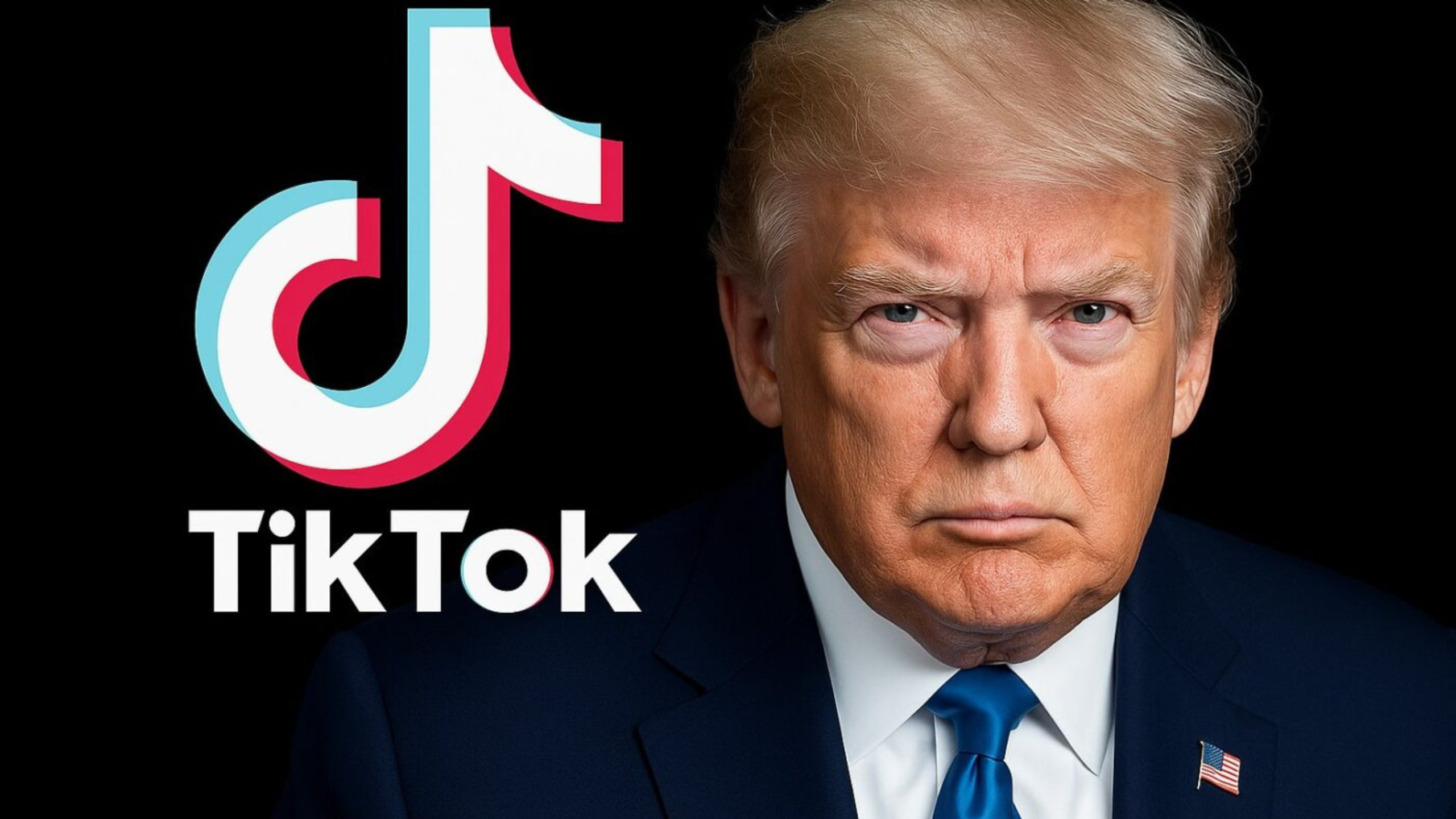

The long fight over TikTok’s future in the U.S. is finally over. A new, mostly American-owned joint venture has officially taken control of TikTok’s U.S. operations, just ahead of the deadline set by Donald Trump. The deal was designed to keep the app online while easing U.S. national-security concerns about its Chinese parent, ByteDance.
Under the agreement, TikTok’s U.S. user data and core operations now sit inside a new joint venture that is majority American-owned. Investors include Oracle, Silver Lake, and Abu Dhabi-backed MGX. ByteDance keeps a minority stake but no longer controls U.S. user data. Oracle will store Americans’ data, and the new U.S. entity will handle content moderation and retrain TikTok’s algorithm using U.S. data.
For everyday users, this means TikTok isn’t going anywhere. The app should look and feel largely the same, and creators, small businesses, and influencers who rely on it for income can keep operating. Any changes will likely be subtle, mainly in how the algorithm serves content, rather than a sudden shift in features or usability.
From a money perspective, the deal removes a major source of uncertainty. Millions of Americans use TikTok to promote businesses, sell products, earn ad revenue, or build personal brands. With the ban threat lifted, those income streams are far more stable. Advertisers also get reassurance that TikTok remains a viable platform for marketing dollars in the U.S.
That said, the story isn’t fully closed.
Some lawmakers argue the deal may not go far enough, since the U.S. entity will still license TikTok’s algorithm from ByteDance before retraining it. Questions about transparency and long-term Chinese influence remain, meaning TikTok could stay entangled in U.S.–China politics and trade negotiations.
Bottom line:
TikTok survives, creators keep earning, and businesses keep marketing. But the app remains a geopolitical chess piece. For users, the biggest win is continuity. For policymakers, the debate over control and security isn’t over yet.