

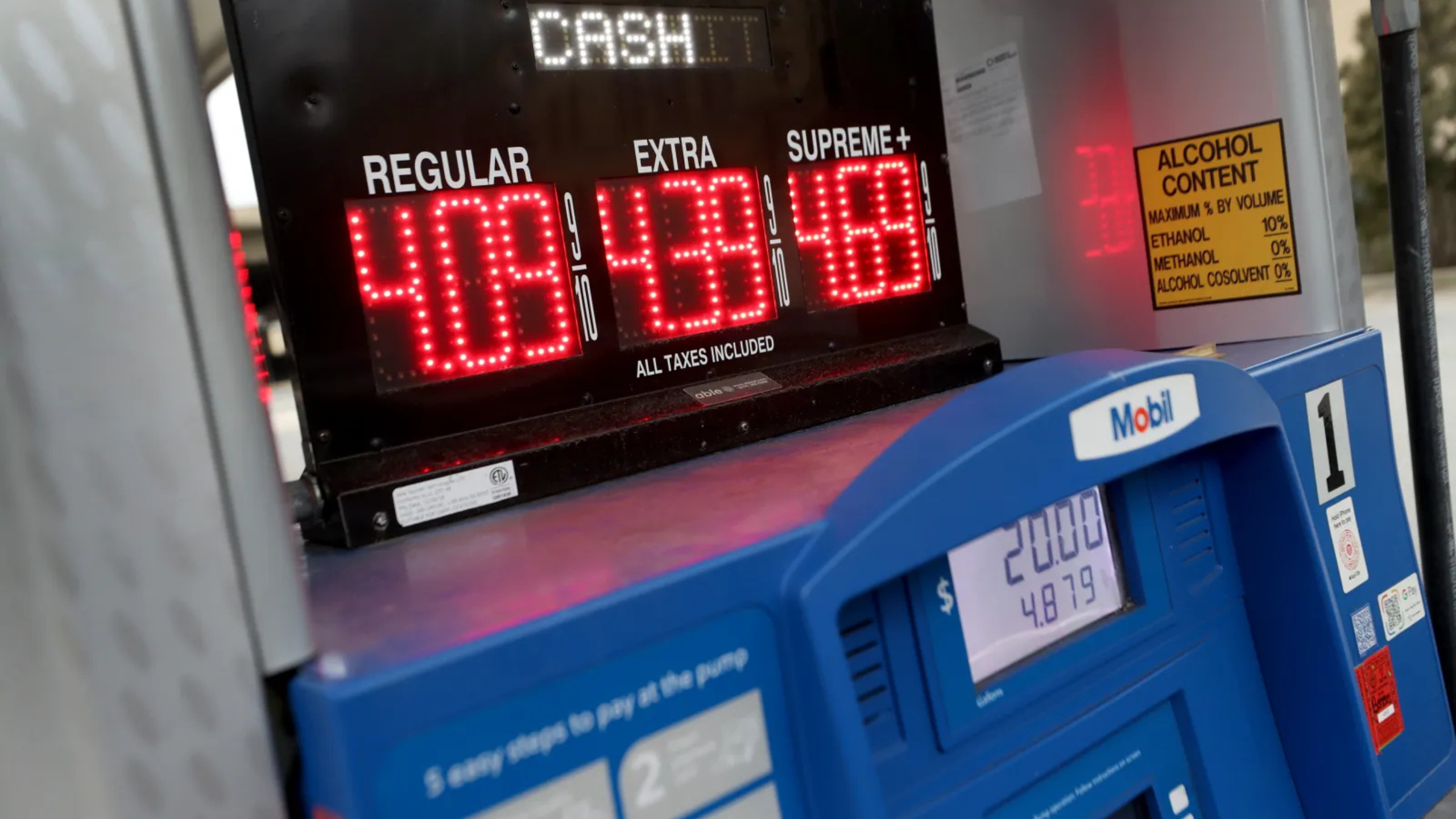

Gas prices are back above $4 and it’s a warning sign most people are underestimating.
This isn’t just about what you pay at the pump. It’s a signal that a new wave of higher costs is already moving through the global economy and it will show up in your everyday spending.
The driver is simple: the Iran conflict has disrupted oil supply, pushing crude prices from around $70 to over $100 per barrel. And when oil moves, everything moves with it.
For households, the impact starts quietly.
Fuel is embedded in almost everything you buy. It powers the trucks that move food, the ships that carry goods, and the planes that deliver packages. So when fuel costs rise, businesses don’t absorb it, they pass it on. That means higher prices across groceries, transportation, and basic household items.
Food is usually the next pressure point. As shipping and packaging costs increase, supermarkets adjust pricing. You won’t see one dramatic jump — but over a few weeks, your grocery bill starts creeping higher.
This is how inflation rebuilds. Not in headlines, but in small, repeated increases that slowly reduce your purchasing power. You’re spending more, but your money is doing less.
At the same time, behaviour starts to shift. Households begin cutting back — fewer subscriptions, cheaper brands, delayed purchases. That’s not just personal budgeting — it’s the early stage of a broader economic slowdown.
And the risk isn’t over yet. If key oil routes like the Strait of Hormuz remain disrupted, fuel prices could climb even further. That would accelerate everything — from inflation to cost of living pressures.
The real takeaway is simple.
This isn’t just a gas story. It’s a cost-of-living story.
When fuel rises, it triggers a chain reaction across your entire financial life — higher expenses, tighter cash flow, and less room to build wealth.
And in this kind of environment, the people who stay passive feel it the most.