

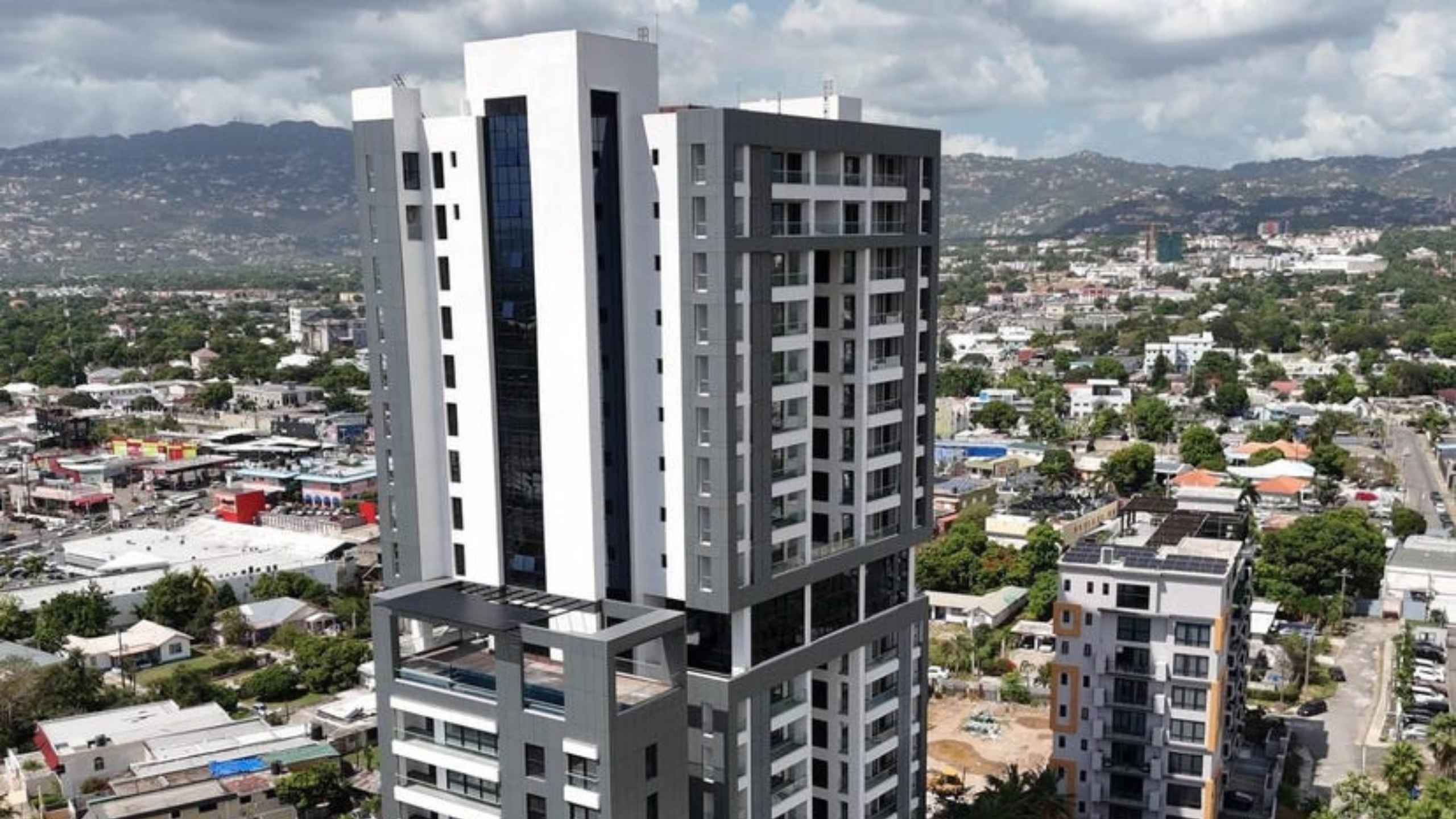

A property auction is more than a real estate story—it’s often the final chapter of a debt story. On August 26, 46 mortgaged properties across eight parishes will go to auction, including homes, apartments, commercial buildings and resort properties. This follows another auction in June featuring about J$2 billion in repossessed real estate.
This does not mean Jamaica is in a property crash, but it does highlight growing financial pressure. Past-due loans (30–90 days overdue) jumped 79% in April to J$73.6 billion, while past-due construction loans surged to J$12 billion, the largest increase in at least nine years. However, non-performing loans remained at J$37.6 billion, below 3% of total loans, suggesting the banking system remains stable.
For many homeowners, financial stress begins gradually as rising food, transportation, insurance and mortgage costs strain household budgets. Borrowers facing difficulties should speak with their lenders early, as restructuring or revised payment arrangements may help prevent foreclosure.
For investors, property auctions can create opportunities—but not every discounted property is a bargain. Buyers should carefully review title, valuations, taxes, occupancy, maintenance costs and financing before bidding. Successful bidders must also be prepared to pay a 20% deposit immediately.
The key question is whether April’s spike in past-due loans reflects temporary pressure or the beginning of a broader trend. Investors should monitor future data on mortgage arrears, construction loans and non-performing loans, along with the number of properties that actually sell at auction.
The bottom line: Jamaica is not facing a banking crisis, but credit stress is beginning to emerge in parts of the economy. For investors, the best opportunities often come during periods of uncertainty—but only after careful due diligence. A low purchase price means little if the underlying risks are overlooked.