

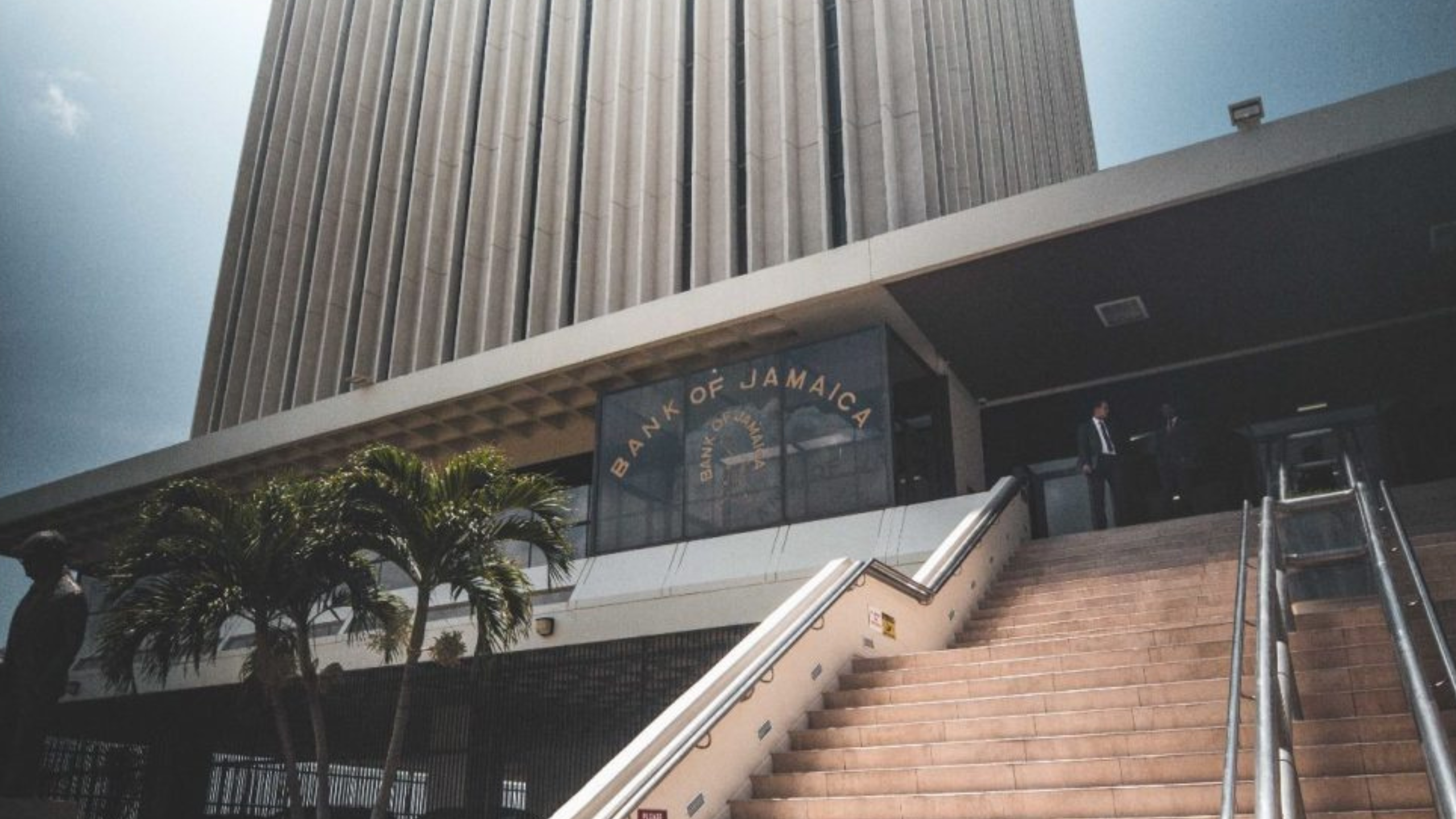

Jamaica’s economy contracted by an estimated 2.9% between April and June 2026 compared with the same period last year, marking a third consecutive quarterly decline. The economy had already fallen 7.1% in Q4 2025 and 4.1% in Q1 2026, as the country continues to deal with the economic fallout from Hurricane Melissa, weaker consumer spending and lower business confidence.
Some of the biggest declines came from agriculture, which fell 17%, and mining and quarrying, which dropped almost 24%. Tourism-related transportation also weakened as visitor arrivals and hotel room capacity declined. There were some bright spots: manufacturing grew about 1%, helped by a surge in cement production, while construction increased slightly as rebuilding and infrastructure activity continued.
For everyday Jamaicans, a weaker economy can mean slower job creation, less overtime, weaker business sales and more cautious spending by households and companies. Small businesses may feel the squeeze particularly quickly if customers cut back on non-essential purchases.
The slowdown could also influence interest rates. If economic weakness continues while inflation remains under control, the Bank of Jamaica may have more room to reduce rates, which could eventually lower borrowing costs. But households should not assume cheaper loans will arrive immediately, especially if drought, food shortages or external shocks push inflation higher.
The PJ takeaway: Jamaica’s economy is still struggling, but the pace of decline is improving — from 7.1% to 4.1% and now 2.9%. That suggests the downturn may be easing, but households should still be careful with debt, maintain emergency savings where possible and prepare for a period of slower economic growth.