

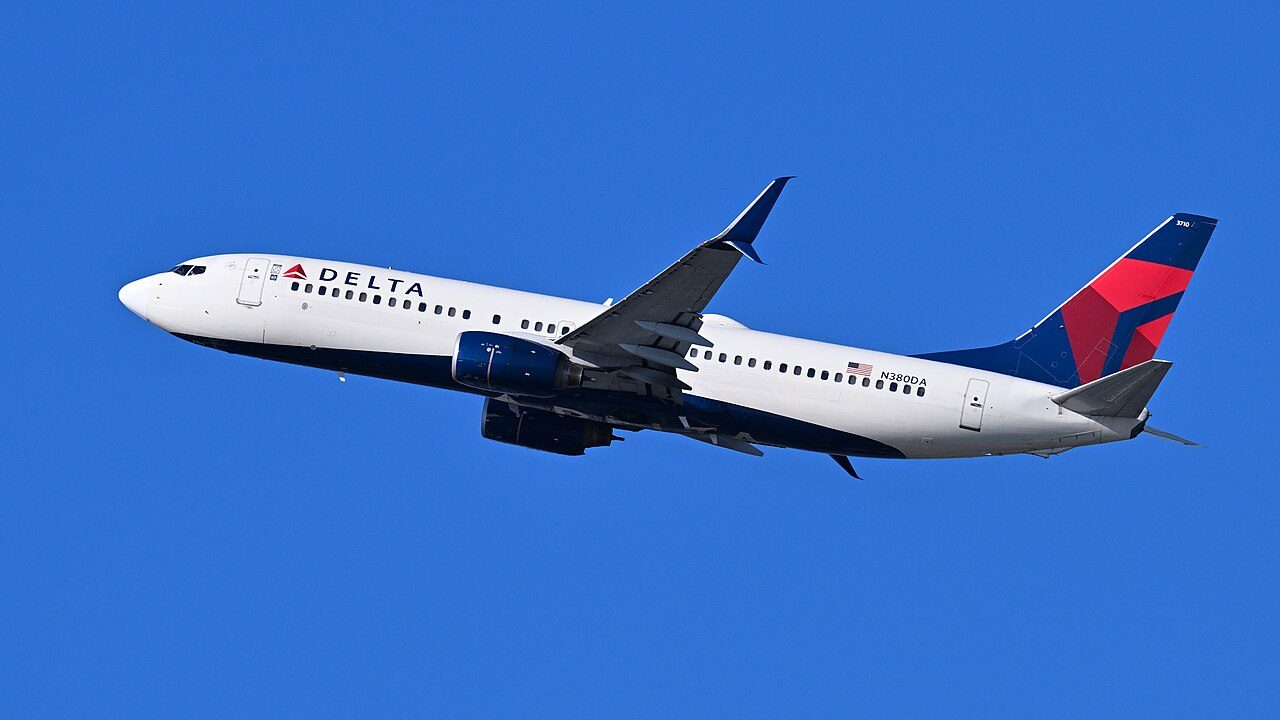

Delta’s automated weight-and-balance system was restored on Sunday, November 22, after a failure disrupted flights through its Atlanta hub and across its network. Fixing the software did not instantly put aircraft, crews and passengers back where they needed to be.
For Caribbean travellers and diaspora families connecting through the United States, the money risk is the chain reaction: a missed connection can affect a prepaid hotel, a workday or an onward ticket. Canadian residents travelling through a U.S. hub can face the same practical problem, even when Canada is only the starting point.
Check the flight before buying a replacement
The first step is to confirm the actual itinerary and the airline’s rebooking offer. Keep records of cancellation notices, changed arrival times and necessary expenses. Buying a second ticket immediately may create another large bill without resolving what the original airline owes.
For flights to, from or within the United States, cancellation or a qualifying significant delay can create a right to a refund when the traveller declines the changed itinerary, rebooking or offered alternatives. Taking the replacement flight generally removes the right to a ticket refund under those rules. A short delay alone does not automatically qualify.
Refunds, meal assistance, hotel accommodation and compensation are different issues. Eligibility depends on the circumstances, applicable rules and commitments made by the airline. A voucher is also different from money returned to the original payment method.
Small tourism businesses should check arrivals with affected guests before reorganising transfers or staffing. An airline network disruption can move a booking’s timing without eliminating the trip entirely. The immediate priority is to protect cash and avoid paying twice while the travel plan is being repaired.