

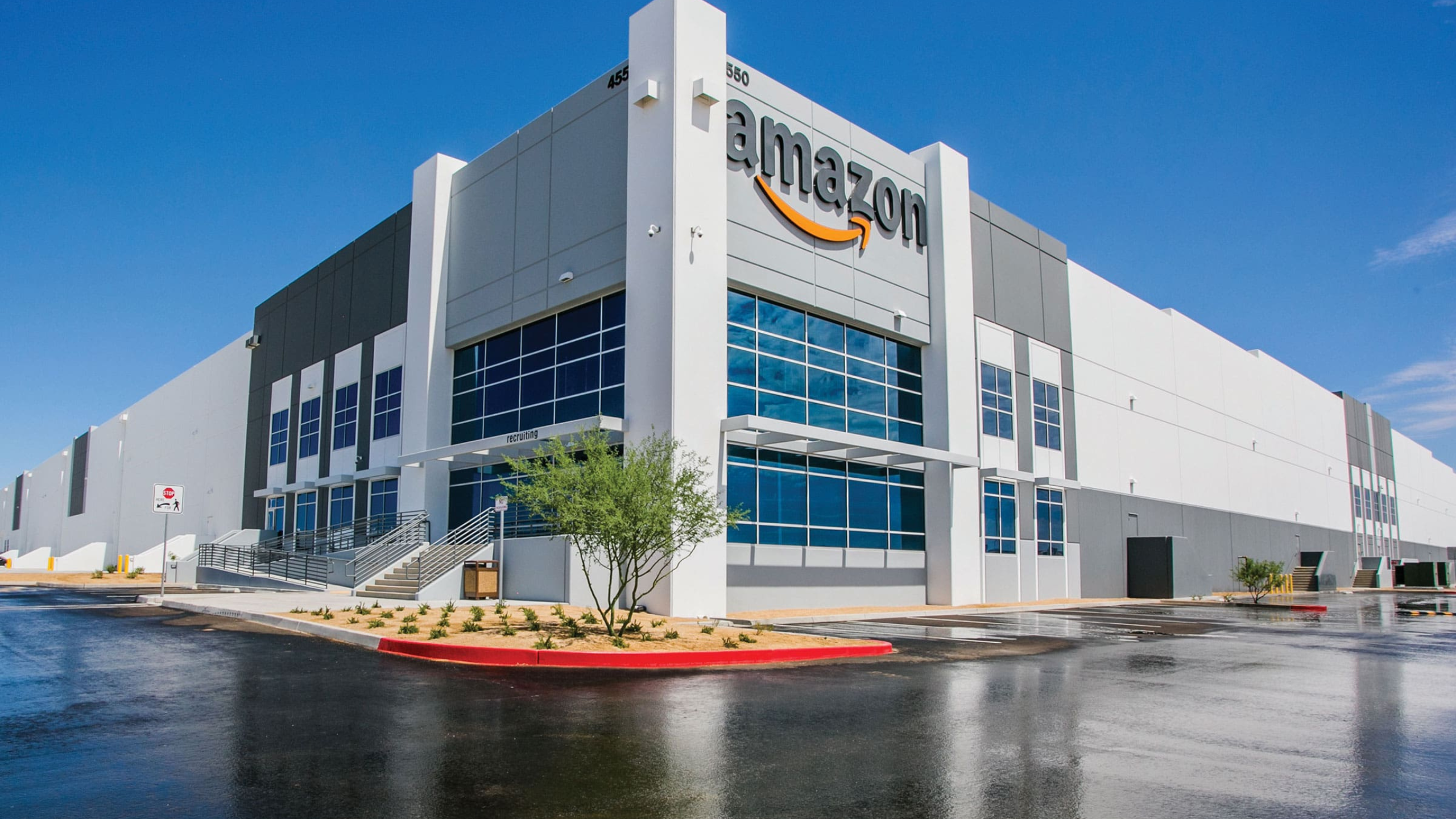

Amazon is raising fees again — and this time, it’s a clear signal that higher global costs are about to hit everyday spending.
The company will add a 3.5% surcharge to sellers using its Fulfillment by Amazon (FBA) service, pointing to rising fuel and logistics costs as the reason. Behind that explanation is a bigger issue: oil prices are climbing due to the Iran conflict, and those costs are now working their way through the system.
For most people, this won’t show up as a single big price jump. It will show up quietly — across everything you buy.
Sellers on Amazon don’t operate with wide margins. When fees increase, they adjust prices to protect their profits. That means the cost of everyday items — from household essentials to electronics — will start to creep higher.
This is how inflation really works. It doesn’t always come in one dramatic spike. It moves step by step — from fuel, to shipping, to businesses, and finally to your wallet.
And Amazon is just one piece of the puzzle.
Shipping companies like FedEx and UPS have already been adding fuel surcharges. Now Amazon is following the same path. That tells you this isn’t temporary pressure on one company — it’s a system-wide increase in costs.
There’s also a deeper shift happening. Smaller sellers are being squeezed. Higher fees mean tighter margins, and not every business can survive that. Over time, that reduces competition on the platform — which can lead to even higher prices for consumers.
For households, the impact is subtle but real. You may not notice a $0.20 increase on one item. But across dozens of purchases each month, your total spending rises — without any increase in income.
The bottom line:
This isn’t just about Amazon fees. It’s another sign that global events are feeding directly into your cost of living.
And if prices keep rising while incomes stay flat, the pressure on everyday budgets will only get tighter.