

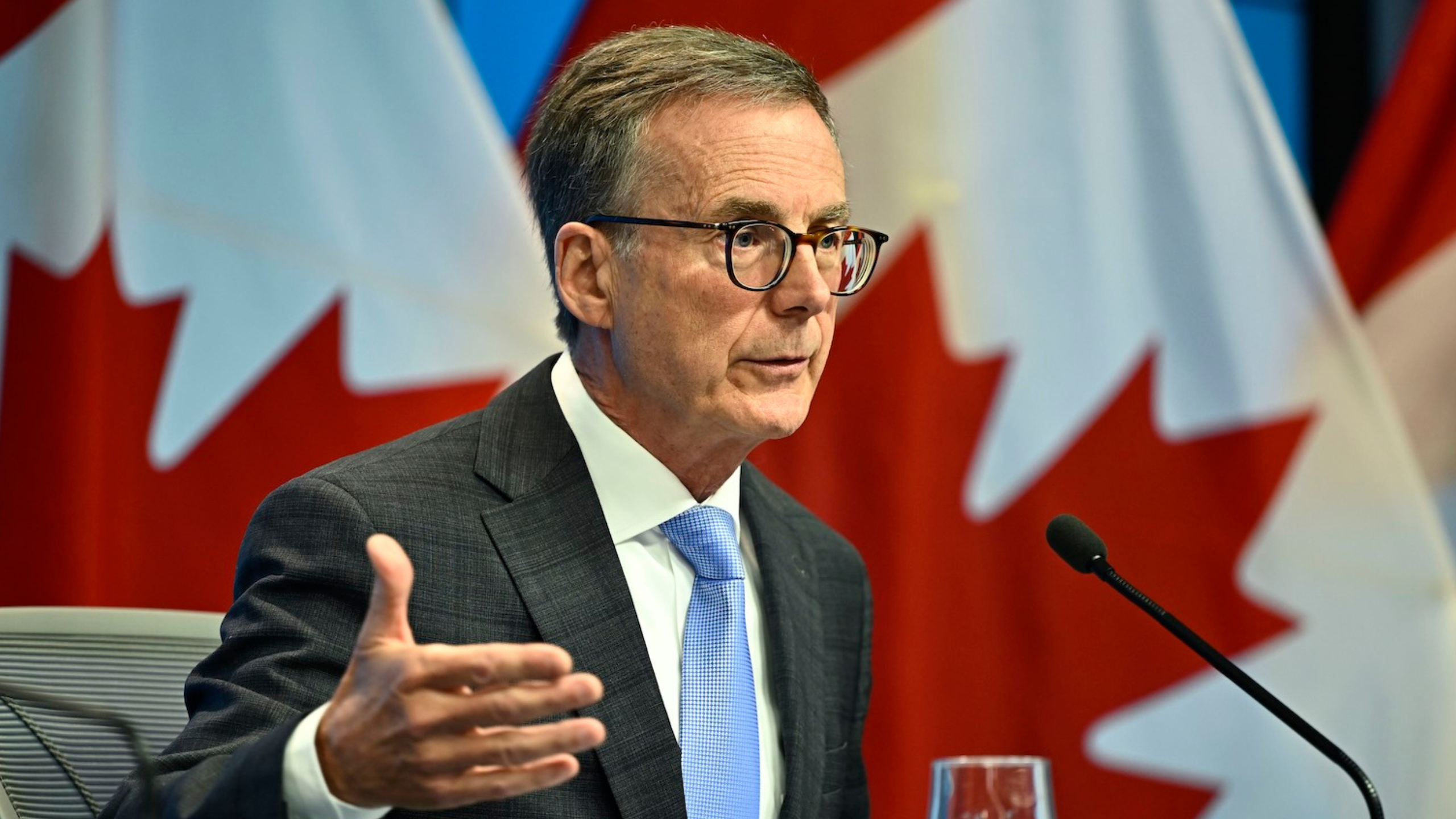

The Bank of Canada has held its key interest rate at 2.25%.
But this isn’t a relief.
It’s caution.
Behind the decision is a growing concern: global conflict is pushing oil prices higher — and that means inflation could rise again.
The central bank says it’s too early to fully measure the impact.
But the direction is clear.
Costs are moving up.
When oil prices rise, the effects don’t stay at the pump. They spread quickly through the economy.
Gas becomes more expensive.
Electricity bills increase.
Transportation costs rise.
And eventually, food prices follow.
Inflation doesn’t happen all at once — but it builds fast.
At the same time, the Bank of Canada is stuck in a difficult position.
If it raises interest rates, it could slow inflation — but also weaken the economy further.
If it cuts rates, it could support growth — but risk pushing inflation higher.
So for now, it’s doing neither.
It’s waiting.
But for everyday people, the impact isn’t waiting.
You’re likely to pay more for fuel, more for groceries, and more just to maintain your current lifestyle. Rising fertilizer and supply chain costs are already adding pressure to food prices, especially since Canada imports much of its fresh food.
And this is happening as the economy begins to slow.
Canada recently lost 84,000 jobs — a clear sign that growth is weakening.
That combination matters.
When costs rise and income slows, households feel it quickly.
There is a bigger picture. Higher oil prices can benefit Canada overall because the country exports energy. But that doesn’t always translate to relief for individuals.
In reality, most people end up spending more — and cutting back elsewhere.
That’s the hidden effect of global conflict.
The Bank of Canada may be holding rates, but your cost of living is not on hold.
And if energy prices stay high, inflation will follow.
In this environment, the strategy is simple: stay disciplined with spending, manage debt carefully, and focus on building assets that can keep up with rising costs.
Because right now, stability in interest rates doesn’t mean stability in your finances.
Rates may be on hold — but inflation isn’t.