

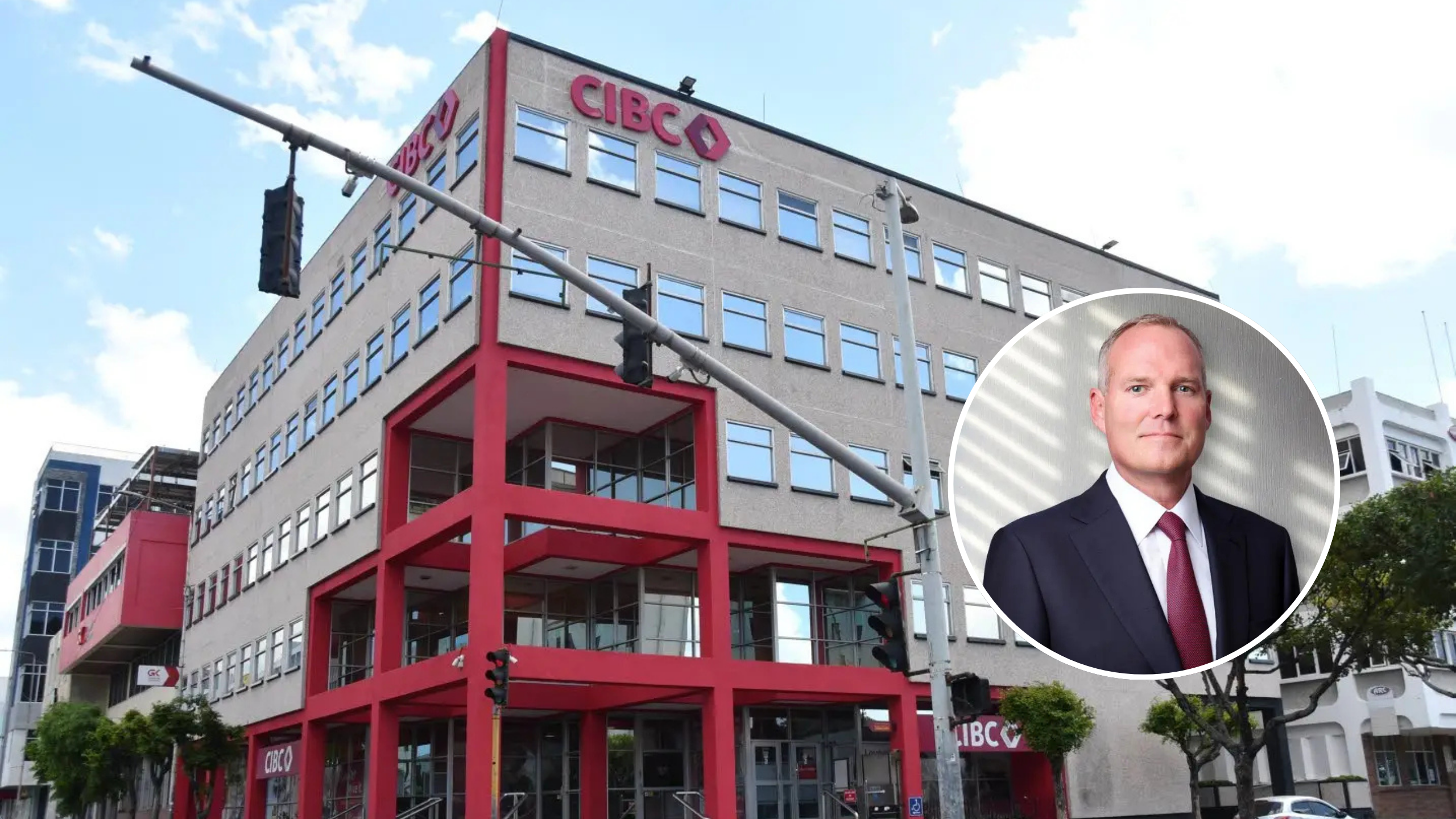

Butterfield Bank has agreed to buy CIBC Caribbean in a US$1.8-billion deal.
The deal would create one of the largest banking groups in the Caribbean, with about US$29 billion in combined assets. Butterfield is based in Bermuda. CIBC Caribbean is headquartered in Barbados and serves more than 526,000 customers across 10 countries.
For everyday people, this matters because banks affect almost everything: savings, loans, mortgages, credit cards, business financing, and service fees.
For now, customers should not expect immediate changes. Butterfield says CIBC Caribbean’s regional headquarters will remain in Barbados, and existing branches are expected to stay open. Customers can continue using their accounts as normal.
But over time, the deal could change the banking landscape.
The biggest issue is competition. When two major banks combine, customers may have fewer large banks to choose from. That can create a stronger bank with more resources, but it can also reduce pressure to offer better rates, lower fees, and stronger customer service.
This is especially important in markets like the Cayman Islands, where CIBC Caribbean was one of Butterfield’s biggest competitors. After the deal closes, that competition will no longer exist in the same way.
There may also be cost-cutting. Butterfield expects to save about US$49 million per year before tax by 2030. In banking, savings often come from combining technology systems, reducing overlap, and streamlining operations. That can make the bank more efficient, but it may also raise concerns about future job cuts, branch changes, or service adjustments.
For business owners, this deal is worth watching. A larger bank may have more capacity to finance companies, support cross-border clients, and offer more services. But fewer competitors could also affect loan pricing, approval standards, and banking options.
For investors, the deal shows that Caribbean banking remains valuable. CIBC has tried for years to reduce its Caribbean exposure, but Butterfield is using this opportunity to expand its regional footprint.
The transaction is expected to close in the first half of 2027, once it receives the required approvals.
The simple money lesson is this: bank mergers may not affect customers right away, but they can shape fees, loan rates, service quality, job security, and access to credit over time.
For Caribbean households and businesses, this is a major banking deal to watch.