

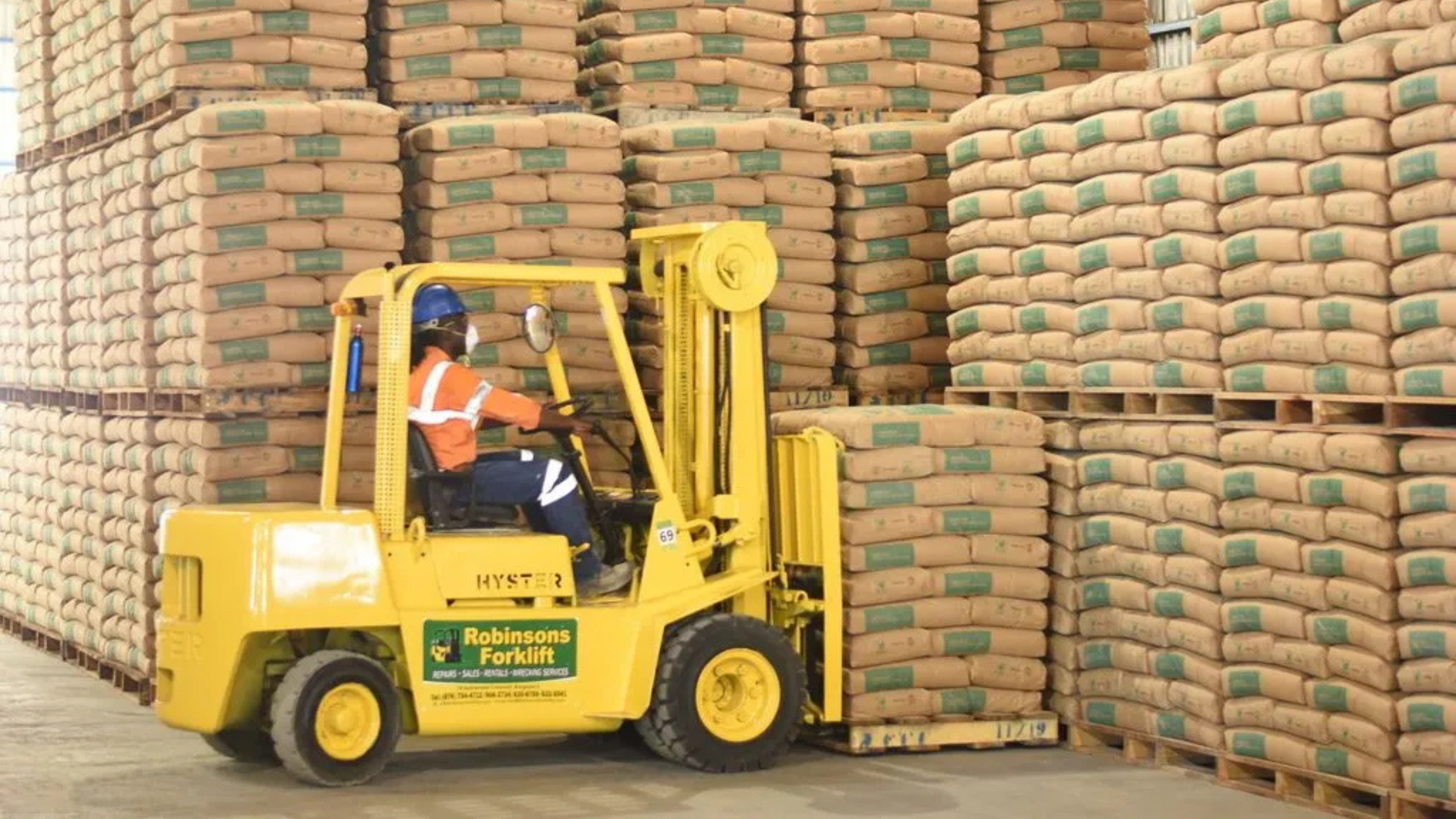

Caribbean Cement says cement supply in Jamaica has improved by more than 20% in recent weeks after heavy rainfall in April disrupted operations and affected local supply. The company says it has increased cement production by more than 50% and is adding warehouse capacity, equipment, and better planning systems to improve reliability.
For everyday Jamaicans, this matters because cement is a key material in building homes, apartments, commercial spaces, and infrastructure. When cement supply is tight, construction can slow down, projects can be delayed, and prices may rise. That can affect anyone trying to build a house, renovate, buy property, or invest in real estate.
Improved cement supply could help reduce some pressure on the construction sector. Builders may find it easier to get materials, projects may move faster, and developers may have fewer excuses for delays. However, this does not automatically mean construction costs will fall immediately, because labour, land, transportation, financing, and other building materials still remain expensive.
The bigger money lesson is this: when basic building materials become harder to access, the cost of housing can rise. Better cement supply is good news for Jamaica’s construction market, but everyday people should still budget carefully before building or renovating because construction costs can change quickly.