


The Federal Reserve didn’t cut rates. And that tells you everything you need to know. Inflation isn’t under control yet — and now the Iran war is making it worse.
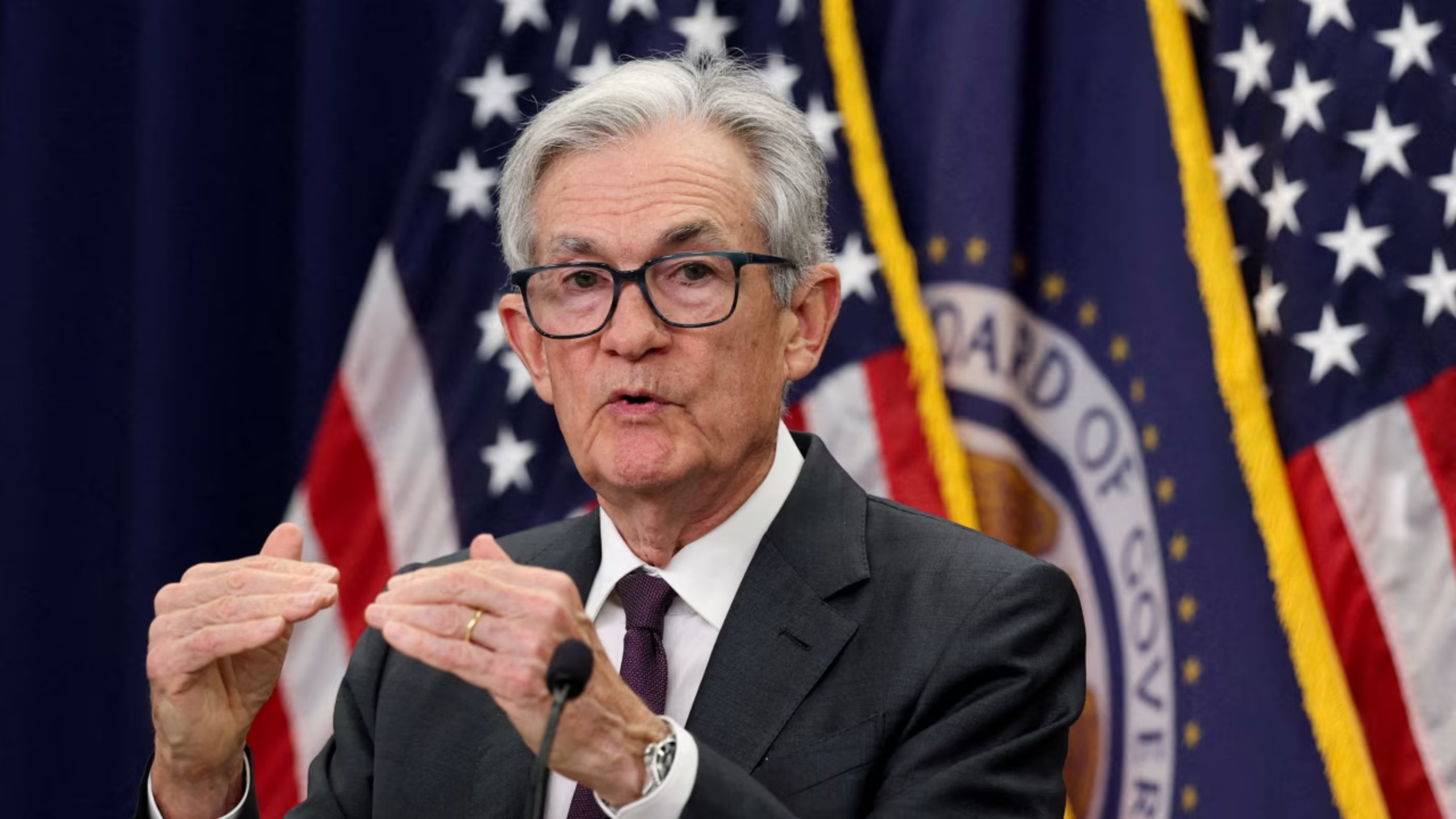
While many were hoping for relief, Fed Chair Jerome Powell made it clear: progress on inflation is slower than expected, and the path forward is uncertain.
The Fed held interest rates at 3.5%–3.75%, but that’s not the real story. Inflation is sticking around longer, oil prices are rising quickly because of the war, and rate cuts are no longer guaranteed. Markets reacted immediately, with stocks falling as investors recalibrated expectations.
For everyday people, this is where it hits. Borrowing is still expensive. Credit cards, car loans, and mortgages will remain high for longer. At the same time, rising oil prices will push up the cost of gas, food, and transportation — putting more pressure on your monthly budget.
What many were waiting for — lower rates and some financial relief — is now delayed. And even the Fed admits it doesn’t fully know how the war will impact the economy. That uncertainty flows directly into markets and into your money.
The bigger issue is that the Fed is stuck. If it cuts rates too soon, inflation could spike again. If it holds rates too high for too long, economic growth could slow. Right now, they’re choosing to wait — and that means households continue to carry the burden.
This wasn’t a neutral decision. It was a signal. We’re entering a period of higher rates that last longer, inflation that doesn’t ease quickly, and markets that stay volatile.
For everyday people, the message is simple: your money has to stretch further — because the economy isn’t giving you a break anytime soon.