

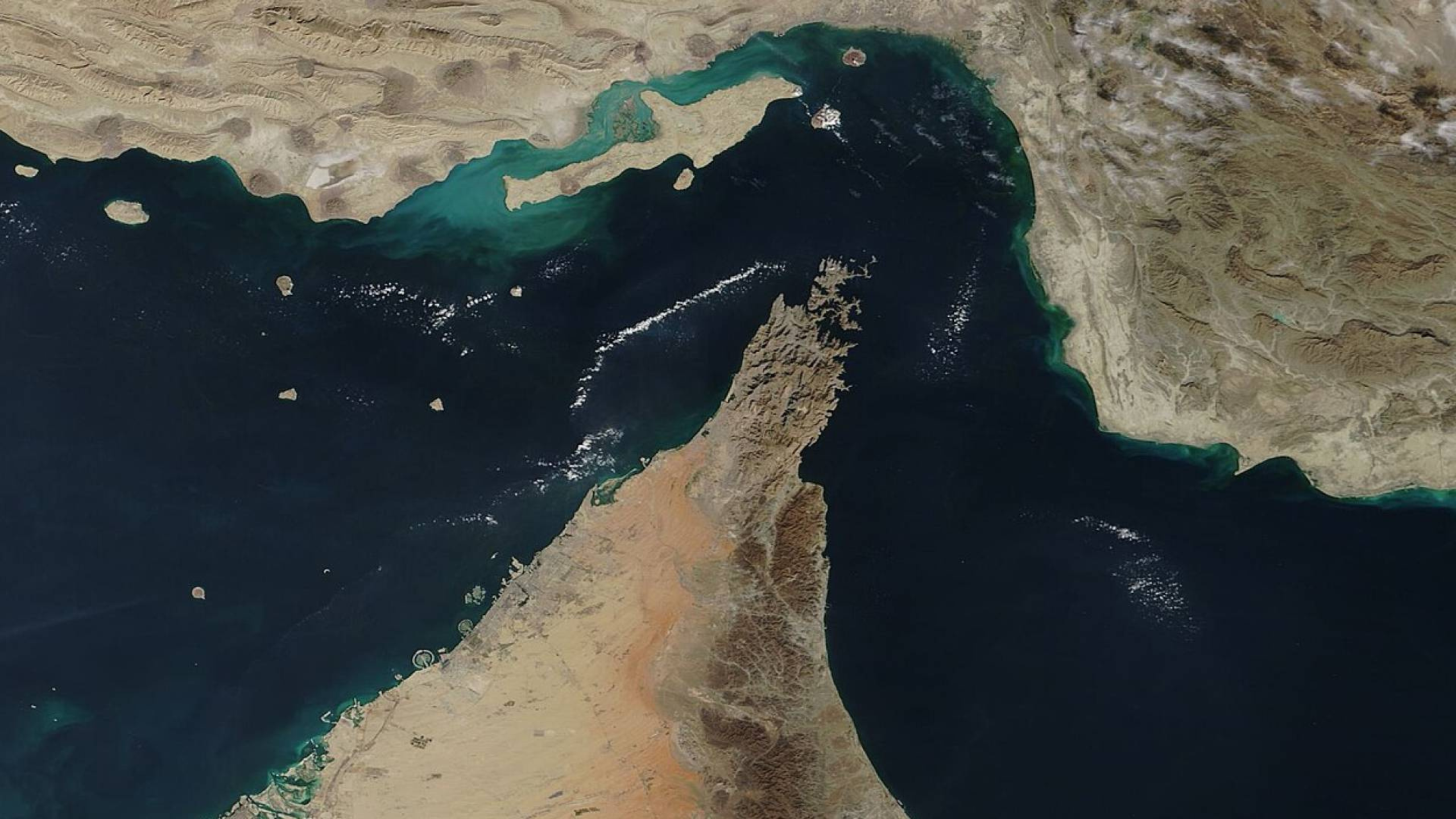

Tensions between the United States and Iran are rising again as both sides fight for control of the Strait of Hormuz, a major shipping route for oil and other goods.
Iran claims it has closed the strait, while US President Donald Trump says American forces are keeping it open. Shipping traffic is reportedly continuing, but at reduced levels after attacks on commercial vessels and military targets across the Gulf region.
The fighting threatens a ceasefire agreed in June and has raised concerns that the conflict could develop into a wider regional war.
For everyday people, the biggest risk is higher oil prices.
Any major disruption to shipping through the Strait of Hormuz could reduce the global supply of oil and push up the cost of petrol, electricity, transportation and imported goods.
Jamaica is especially vulnerable because the country imports most of its fuel. If oil prices rise, motorists could pay more at the pump, electricity bills could increase and businesses may pass higher transportation and operating costs on to consumers.
That could make groceries, construction materials, airline tickets and other everyday expenses more expensive.
Higher oil prices could also increase inflation and make it harder for central banks to reduce interest rates. This means borrowers could continue facing high mortgage, car loan and credit card costs.
Markets have remained relatively calm so far. Brent crude was trading at approximately US$75 per barrel, well below earlier wartime highs of more than US$120. This suggests investors currently believe the US and Iran will avoid a full-scale war.
However, that could change quickly if more ships are attacked or if traffic through the strait is completely blocked.
The key takeaway is that a conflict thousands of miles away can still affect your household budget. Higher oil prices can quickly show up in fuel costs, electricity bills, food prices and transportation expenses.
Consumers should therefore keep an eye on fuel prices, limit unnecessary debt and leave more room in their budgets for possible increases in everyday living costs.