

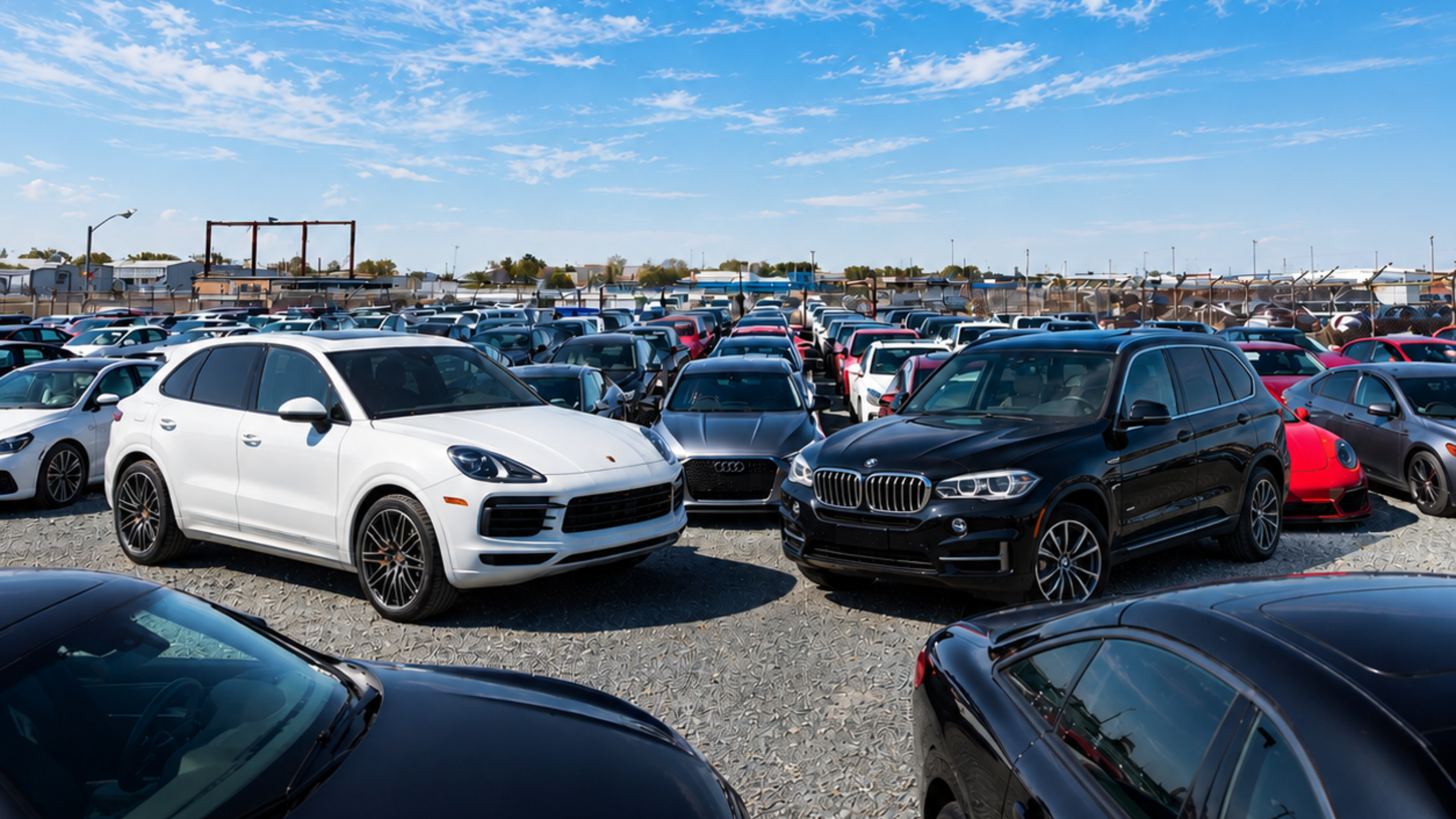

NCB is auctioning 110 repossessed vehicles valued at more than $437 million.
That is not just a car sale. It is a warning sign.
The vehicles range from a 2016 Nissan AD wagon listed at $500,000 to a 2022 Porsche Cayenne listed at $18.4 million. The list also includes several newer 2024 vehicles, which suggests that some people who bought cars recently are already struggling to keep up with payments.
This tells us something important about household finances in Jamaica.
Many families are being squeezed by higher food prices, rent, utilities, fuel, insurance, and loan payments. When income does not rise fast enough, there is less money left to manage debt.
For some borrowers, the car loan becomes too hard to carry.
The pressure is also showing up in the banking system. Across Jamaica’s banks, non-performing loans reached $45.3 billion as of January 2026, up 20% from the year before.
Consumer loans — including car loans, credit cards, and personal loans — make up a large share of that debt.
That matters because consumer debt is tied to everyday life. It shows how people are managing transportation, bills, emergencies, and lifestyle expenses.
For borrowers, repossession can be painful. Losing the vehicle does not always mean the debt is finished. If the bank sells the car for less than what is owed, the borrower may still have to pay the difference.
For buyers, repo auctions may offer lower prices. But buyers must be careful. A cheaper vehicle can still come with repair costs, insurance costs, missing documents, or other expenses.
The bigger message is clear: many Jamaicans are under growing debt pressure.
Repossessed vehicles are one of the clearest signs that household finances are stretched.
For everyday people, this is a reminder to be careful with car loans. The monthly payment is only one part of the cost. You also have to think about gas, insurance, servicing, repairs, and emergency savings.
In a tighter economy, cash flow matters more than image.
The goal is not just to afford the car today.