

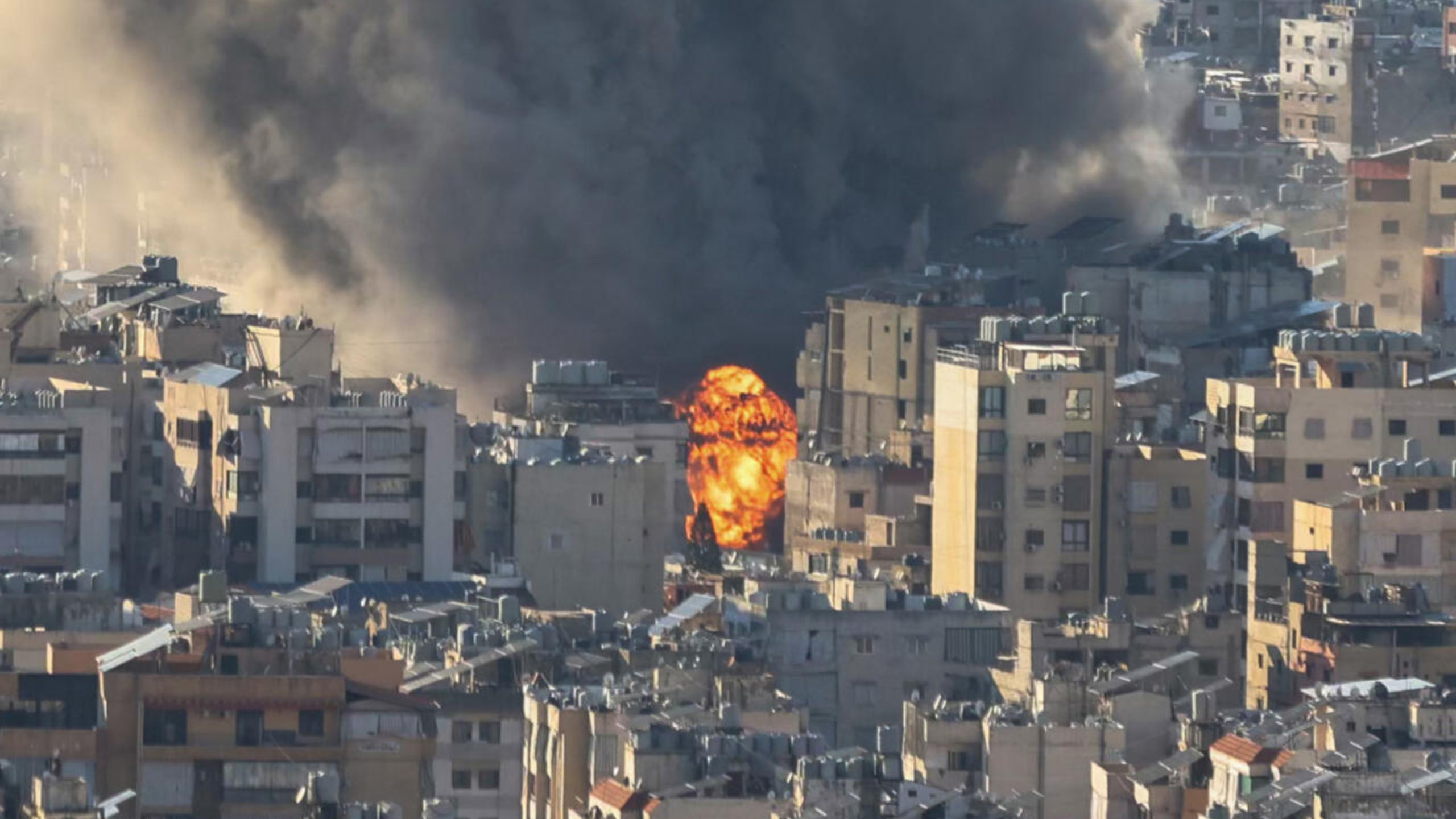

The war between the United States, Israel, and Iran is already starting to affect the global economy. One of the first places people will feel it is at the gas pump.
Oil prices jumped above $90 per barrel this week, rising more than 30% in just a few days. The spike comes as attacks across the Middle East disrupt oil supplies and shipping routes.
One major concern is the Strait of Hormuz, a narrow passage where about 20 million barrels of oil pass every day. Because of the conflict, many tankers are struggling to move safely through the area. When that flow of oil slows down, global prices quickly rise.
Drivers are already seeing the impact. Gasoline prices have started climbing, and diesel, the fuel that powers trucks, shipping, and much of the global supply chain has jumped even faster. In some parts of Europe, diesel prices have doubled, while jet fuel prices in parts of Asia have surged dramatically.
Energy costs affect almost everything in the economy.
When fuel gets more expensive, it costs more to transport food, manufacture goods, and operate airlines. Businesses often pass those higher costs on to consumers. That means everyday items like groceries, flights, and deliveries could become more expensive.
The conflict is also reducing global supply. Attacks have damaged key oil facilities in Saudi Arabia and natural gas infrastructure in Qatar. As a result, about 9 million barrels of oil per day are currently off the market, and roughly 20% of the world’s liquefied natural gas supply has been disrupted.
Even countries that produce their own oil are not protected from the price increases. Oil is traded globally, so when supply drops anywhere, prices tend to rise everywhere.
For investors, rising oil prices often benefit energy companies but create pressure for industries that depend heavily on fuel, such as airlines, shipping companies, and manufacturers.
For everyday households, the takeaway is simple: when oil prices rise, the cost of living usually rises too.
If the conflict continues or spreads further across the Middle East, energy prices could stay high and that could push inflation higher again in the months ahead.