

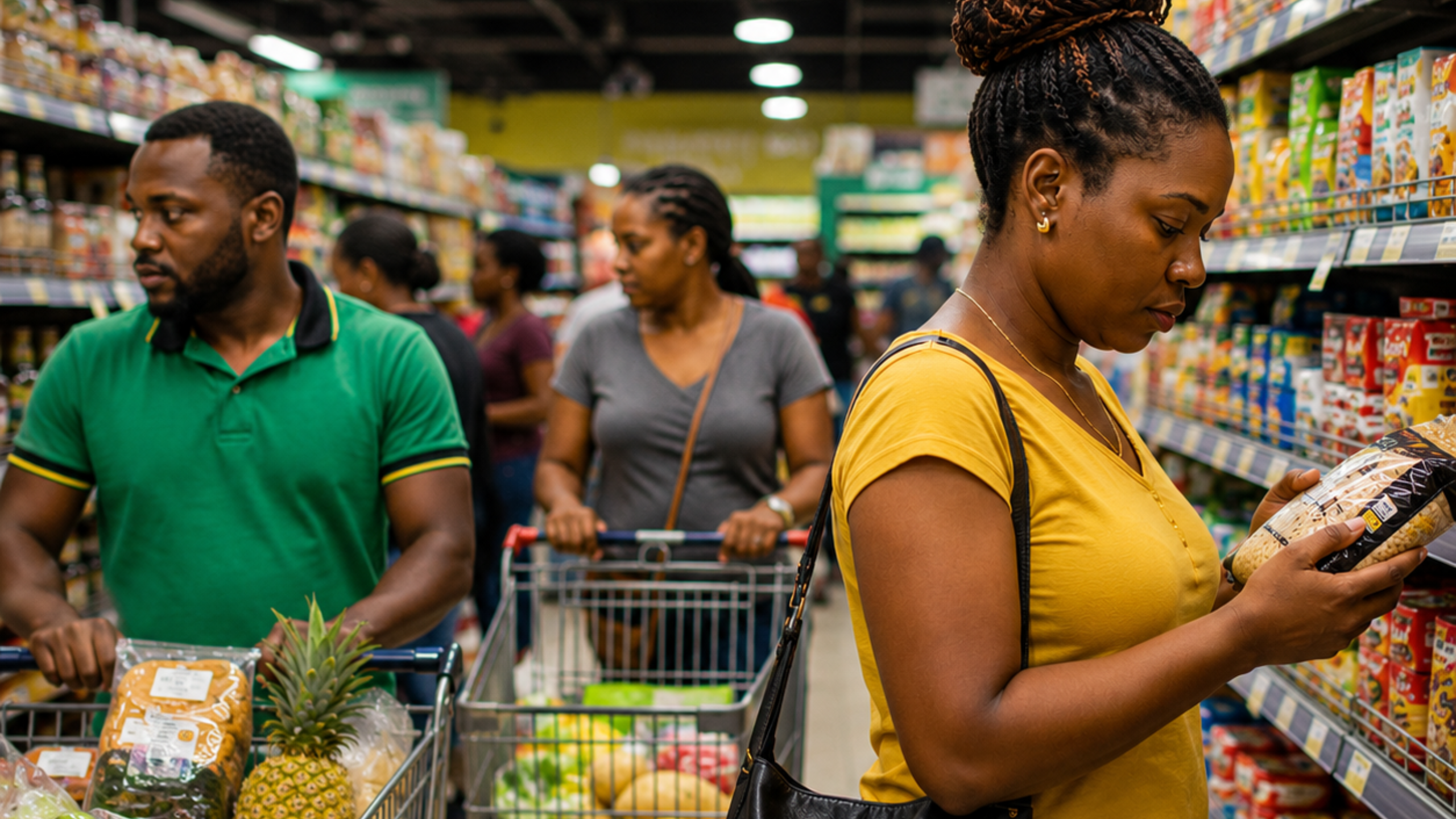

Jamaica’s annual inflation rate climbed to 6.7 per cent in June, the highest level since January 2024 and above the Bank of Jamaica’s target range of four to six per cent. The increase means the cost of everyday necessities is rising faster, placing additional pressure on household budgets.
Higher transportation costs were one of the biggest drivers. Route taxi and hackney carriage fares increased by eight per cent in June, while higher petrol prices also made driving more expensive. Over the past year, transportation costs have increased by 7.3 per cent, with petrol-related expenses rising by nearly 16 per cent.
Food prices are creating even greater pressure. Food and non-alcoholic beverages were 9.8 per cent more expensive than a year earlier. Fruits and nuts increased by 34.2 per cent, while tubers, plantains and cooking bananas jumped by 38 per cent. Consumers are also paying more for vegetables, fish, seafood and meat.
Housing costs also increased due to higher rent and electricity charges. The impact was strongest in the Greater Kingston Metropolitan Area, where annual inflation reached 7.2 per cent and food prices rose by more than 11 per cent.
For everyday Jamaicans, this means salaries and savings are buying less than they did a year ago. Families may have to spend more on transportation, groceries, rent and electricity, leaving less money for savings, debt repayment and other financial goals. People who rely heavily on taxis or spend a large portion of their income on food will feel the impact most.
The Bank of Jamaica expects inflation to eventually return to its target range, but higher oil prices, bad weather, international conflicts and stronger consumer spending could keep prices elevated. Households should review their budgets, compare prices, reduce unnecessary travel and consider adjusting grocery purchases as the cost of living continues to rise.