

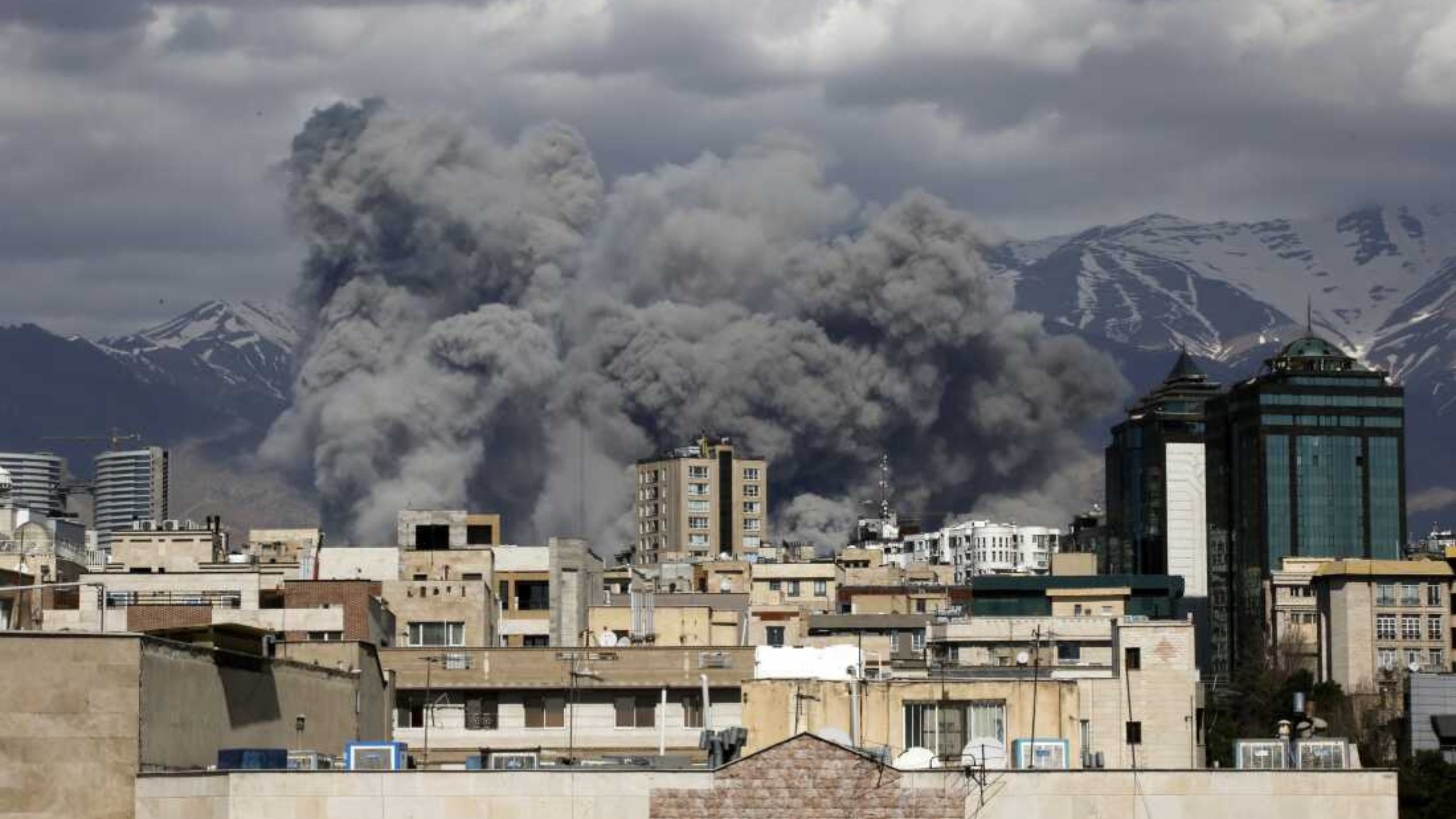

The United States and Israel have launched coordinated military strikes on Iran. Iran has already retaliated across the region. The Middle East is on edge. Global markets are watching closely.
This is not officially “World War III.” But it is one of the most serious escalations in years — and when major powers start exchanging direct blows, markets do not wait for clarity. They react immediately.
The stated goal from Washington and its allies is clear: stop Iran’s military capabilities and eliminate what they call imminent threats. Iran, in response, is signaling that it will not back down easily. The bigger question now is not just military. It’s economic.
Because whenever the Middle East heats up, oil becomes the center of the story.
Iran sits near the Strait of Hormuz, one of the most important oil shipping routes in the world. If that corridor is disrupted, oil prices can spike fast. And when oil spikes, inflation follows. That means higher fuel prices, higher shipping costs, and eventually higher grocery bills. Even if you live thousands of miles away, you feel it at the pump and at the supermarket.
Markets also hate uncertainty. Expect volatility in global stocks. Investors typically rotate into “safe” assets like gold, U.S. dollars, and defense stocks. Travel, airlines, and consumer sectors usually feel pressure first.
For everyday people, this is what matters:
If oil rises, your cost of living rises.
If markets swing, retirement accounts fluctuate.
If the conflict spreads, global growth slows.
Right now, this is not a global war. But it is a global economic risk.
The smart move is not panic. It is preparation. Watch energy prices. Expect volatility. Avoid emotional decisions. And remember: geopolitics moves fast, but disciplined investors move strategically.
This isn’t just a military story. It’s a money story.