

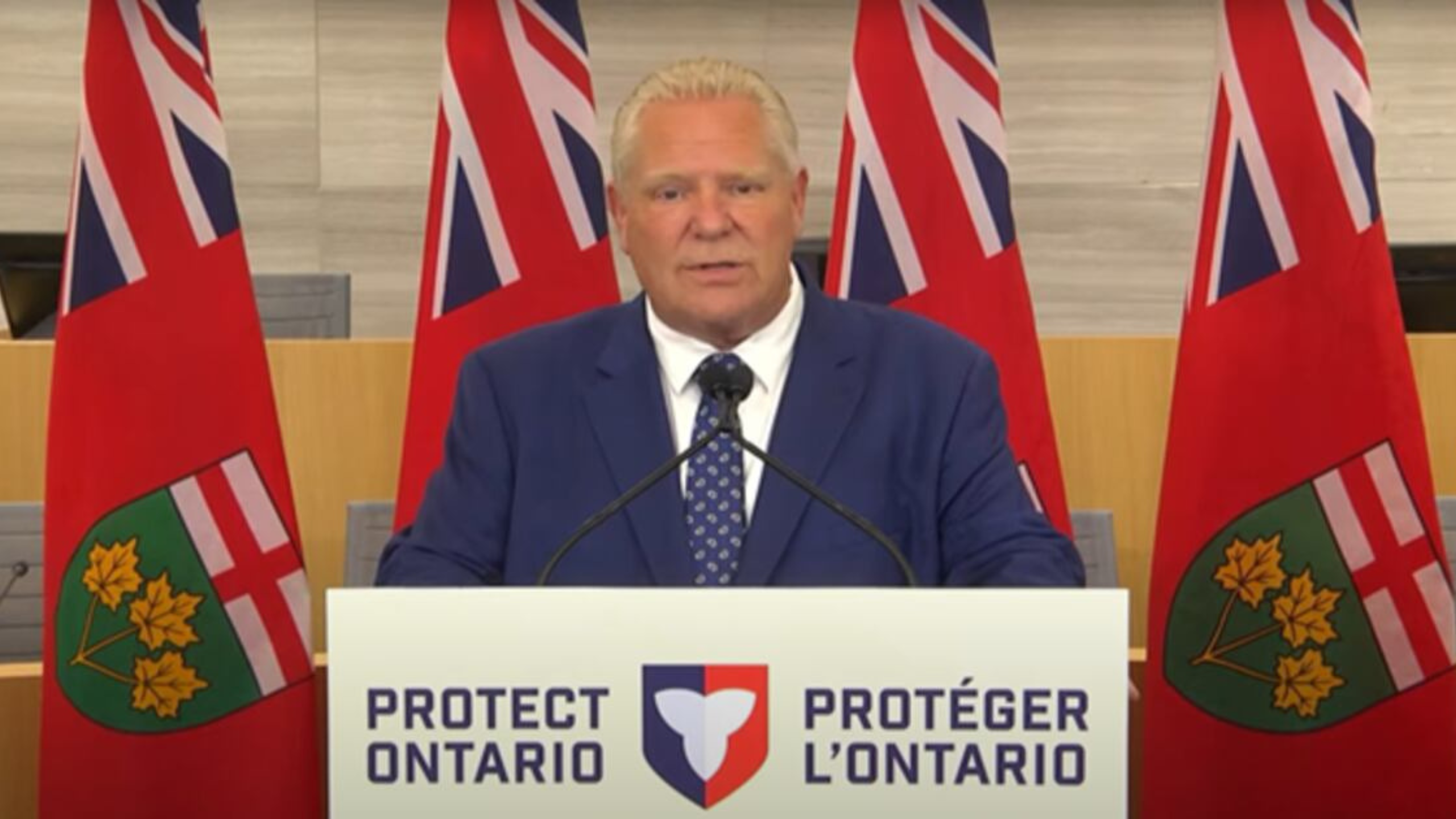

Ontario Premier Doug Ford says Canadians are “taxed to death,” and he plans to tell Prime Minister Mark Carney exactly that when they meet next week in Ottawa. With Canada caught in the middle of a deepening trade war triggered by U.S. President Donald Trump’s 35% tariffs on Canadian goods, Ford is pushing for tax cuts as the main solution to keeping the economy afloat.
Ford argues that putting more money back into people’s pockets — through measures like reducing the HST on new homes — would boost spending power at a time when households and businesses are under pressure. He also criticized the Bank of Canada for holding interest rates steady, saying the weak economy should take priority over fighting inflation.
While Ford has called for “dollar-for-dollar” retaliatory tariffs in the past, he now says the bigger focus should be on making Canada more competitive than its trading partners. Lower taxes, he says, would help attract businesses, create jobs, and soften the economic hit from Trump’s aggressive trade policy.
For the average household, the political fight may sound abstract—but the financial impact is real. Tariffs raise costs for businesses, and those increases eventually show up in consumer prices, fewer job opportunities, and weaker wage growth. High interest rates add even more strain, especially for anyone with a mortgage or personal loan. Tax relief would help, but there’s no immediate sign the federal government is ready to move.
This means everyday Canadians should brace for a period where the economy remains under pressure. Budgets will feel tight, borrowing will stay expensive, and the value of every dollar spent will matter even more. While governments debate competitiveness at the macro level, households must focus on protecting their own financial stability—managing debt carefully, avoiding impulsive spending, building emergency savings, and staying alert to how ongoing trade tensions could affect prices and income.
Canada may be gearing up for a policy showdown, but for regular people, the message is simpler: the economic landscape is shifting, and now is the time to tighten financial discipline and move cautiously while the big decisions play out.