

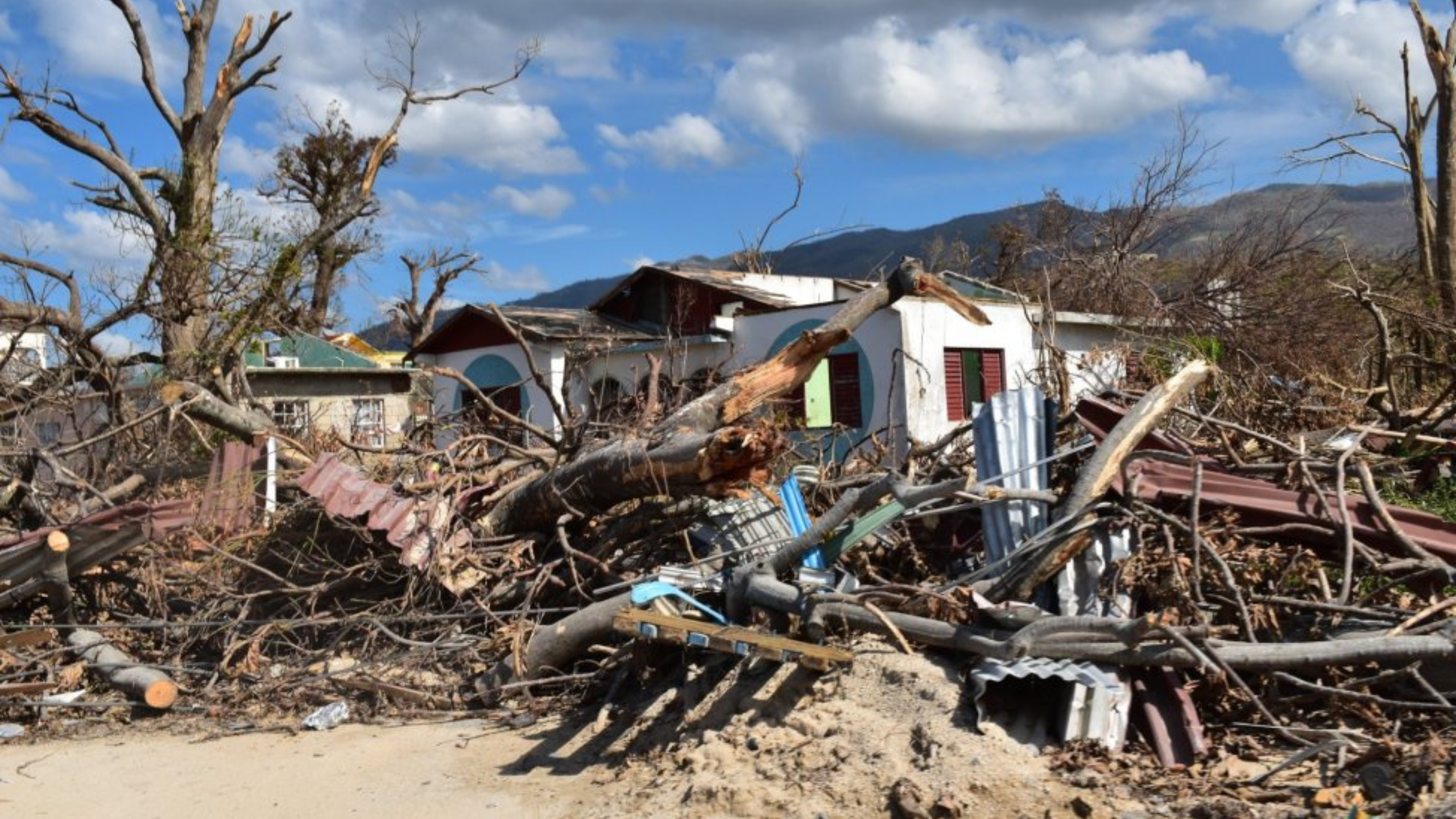

Jamaica has secured access to as much as US$6.7 billion in financing to support recovery and rebuilding after Hurricane Melissa. The Government says the package, spread over three years, is the largest and most comprehensive financing arrangement ever assembled for the country.
The money is coming from major international institutions including the IMF, World Bank, Inter-American Development Bank, Caribbean Development Bank and CAF. The Prime Minister says the speed and scale of the support reflect confidence in how Jamaica has managed its finances over the years, particularly its debt reduction and fiscal discipline.
In simple terms, this financing gives the Government room to operate. Roads, bridges, schools, hospitals, utilities and public services can be rebuilt without the country immediately running out of cash or being forced into emergency measures. That breathing room matters more than the headline number.
Not all of the US$6.7 billion is government borrowing. About US$3.6 billion will come as sovereign loans that the Government will repay over time. Another US$2.4 billion is expected to come from private investors, brought in through public-private partnerships to fund large recovery projects. A smaller portion comes as grants and technical support that do not have to be repaid.
For everyday Jamaicans, the key issue is not whether the country got money, but what that money prevents. Because Jamaica already had disaster funds, insurance payouts and catastrophe bonds in place, the Government was able to respond quickly without rushing to raise taxes or slash spending. That reduces the risk of sudden, painful policy shocks that usually hit households first.
This does not mean the country is avoiding debt. It means the debt is structured, spread out and tied to rebuilding assets that support the economy. Over time, those loans will still have to be serviced. That reality will influence future budgets, spending priorities and possibly taxes down the road if growth does not keep pace.
In the near term, rebuilding should create economic activity. Construction, logistics, supplies and services will see increased demand. That can translate into jobs and income opportunities, particularly for small businesses connected to recovery work. The benefits, however, will not be evenly or instantly felt.
What this financing will not do is quickly lower food prices or the cost of living. Damaged infrastructure, import costs and global pressures remain. Households should not expect immediate relief at the supermarket or the gas pump simply because large financing has been secured.
Where this package matters most is stability. Faster access to cash after disasters helps keep banks functioning, payments flowing and government services operating. That stability protects savings, jobs and business income when shocks hit.
Jamaica is not being treated as a country in collapse. It is being treated as a country with systems in place and the capacity to manage a large recovery effort. That distinction is important, but it does not remove responsibility. How the money is spent, how transparent the process is and whether rebuilding strengthens productivity will determine whether ordinary people actually feel the benefit.
For households, the takeaway is simple. This financing buys the country time. It does not remove the need for careful budgeting, personal discipline or realistic expectations. Recovery money helps an economy stand back up. It does not automatically fix household finances.
What comes next will matter far more than the size of the package.