

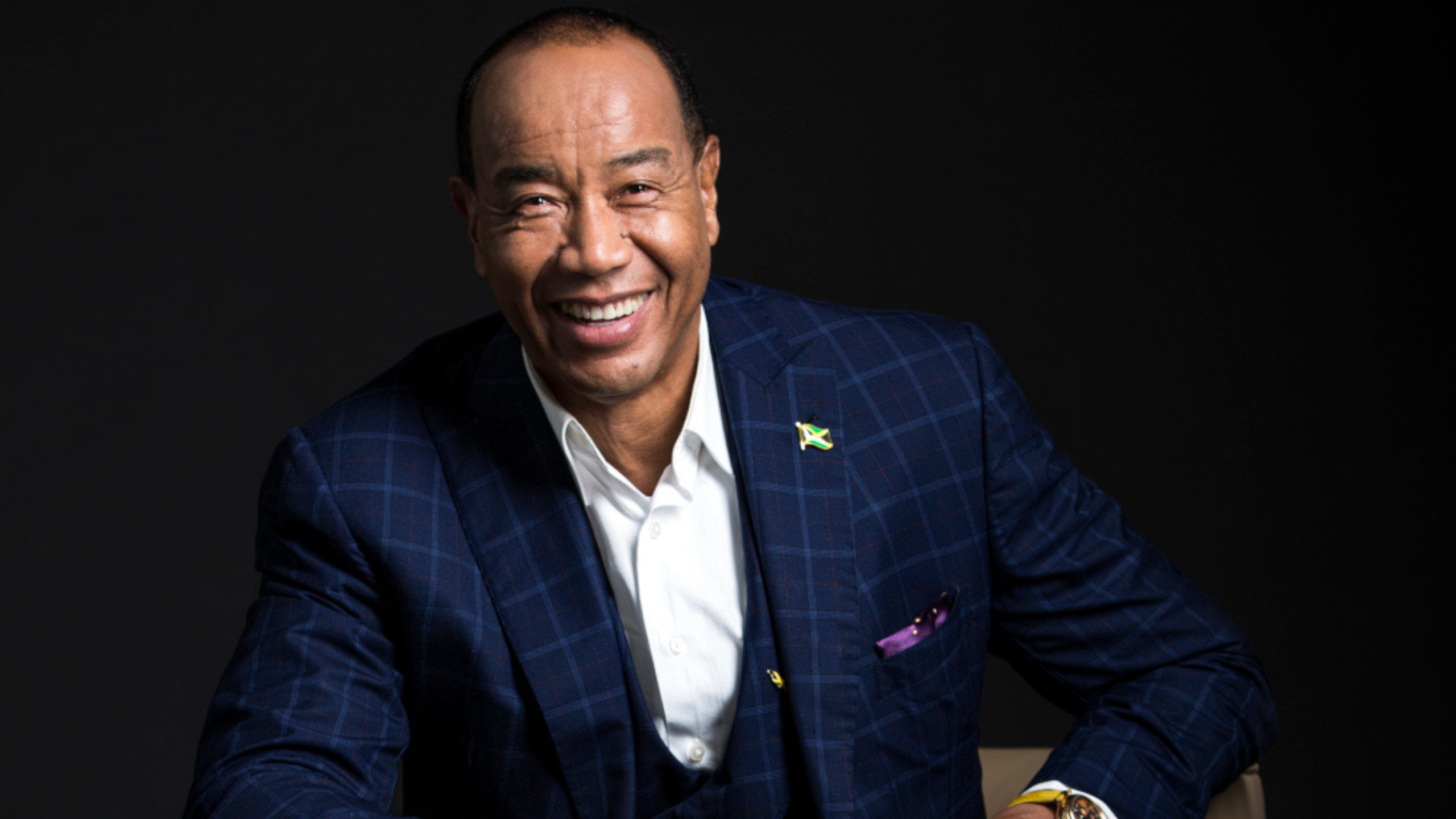

Jamaican-Canadian billionaire Michael Lee-Chin is facing a moment that markets rarely ignore: debt pressure at the top, uncertainty below, and investors watching closely.
Lee-Chin is considering selling part or all of his controlling stake in NCB Financial Group Limited as he works to settle a US$94 million bond payment now due, with total bond obligations reaching US$297 million. A company within his group has triggered a 45-day period, starting December 31, to determine how that debt will be resolved.
He says all options are on the table, including full repayment or divesting a large block of NCBFG shares. A decision is expected within weeks.
The market reaction has been swift and unforgiving. NCBFG shares are already down more than 23% for the year, trading around $39 on the Jamaica Stock Exchange—a sharp fall from their historic highs just a few years ago. Investors aren’t questioning the size of Lee-Chin’s wealth; they’re reacting to uncertainty. Markets dislike not knowing who will own what, and when.
For everyday people, this story is less dramatic than the headlines suggest—but it still matters.
If you bank with NCB, there is no indication the institution itself is under threat. This is not a bank run or a collapse story. It is about a major shareholder managing debt obligations, not about customers’ deposits or daily banking services.
Where the impact is felt is in investments and pensions. Many Jamaicans are exposed to NCBFG through shares, insurance-linked products, unit trusts, and pension funds. When the possibility of a large share sale hangs over the market, prices can stay under pressure, affecting portfolio values even when the business continues to operate normally.
There’s also a quieter lesson beneath the market noise. Debt has deadlines. Even at the billionaire level, falling asset prices don’t delay obligations. When markets turn, leverage becomes uncomfortable fast. That same reality applies to households managing mortgages, loans, and credit cards.
Over the next few weeks, clarity will matter more than commentary. If Lee-Chin settles the debt without selling shares, confidence could stabilize. If a major sale happens, volatility may continue until the market absorbs it.
For everyday people, the takeaway isn’t fear—it’s awareness. This is a reminder that markets move on confidence, debt shapes decisions, and even the biggest names are not immune when cash comes due.