

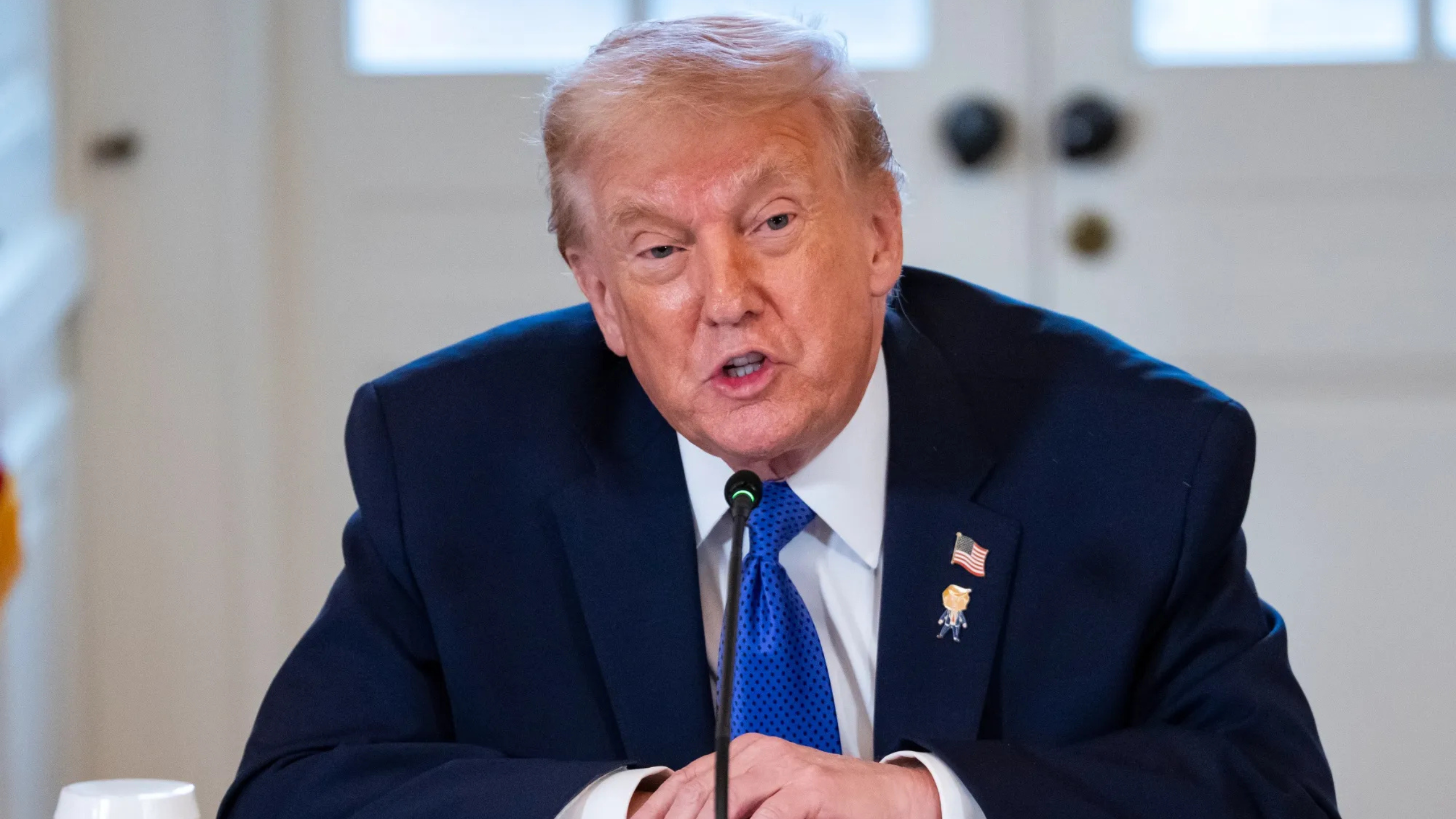

Trump says credit card companies have been “abusing” Americans. With average interest rates hovering around 22% — near record highs — he’s calling for a hard cap of 10%. If that ever became law, it would cut borrowing costs by more than half for millions of people carrying balances.
Five years ago, the average credit card rate was closer to 16%. Then inflation surged, the Federal Reserve aggressively raised interest rates, and borrowing costs across the economy climbed. Credit cards, which usually have variable rates, moved up quickly. Even though the Fed has started cutting rates, credit card interest hasn’t meaningfully followed. For many households, the cost of carrying debt is still painfully high.
Banks say rates are elevated because risk is rising. More consumers are missing payments, and unlike a mortgage or car loan, credit card debt is unsecured. If someone defaults, the bank absorbs the loss. That risk gets priced into higher rates. But there’s another reality that often goes unspoken: credit cards are extremely profitable. Research cited in the report suggests banks make six times more profit on credit cards than on many other lending products. This isn’t a side business — it’s a core revenue engine.
If a 10% cap were enforced, the savings could be significant. Researchers estimate Americans with credit card balances could collectively save up to $100 billion in interest costs. For someone carrying a $10,000 balance, the difference between 22% and 10% interest could mean thousands of dollars saved over time. That’s real money — money that could go toward rent, groceries, tuition, or investing instead of servicing debt.
But there’s a trade-off. Banks warn that if rates are capped too low, they will respond by tightening credit. That could mean lower credit limits, fewer approvals, and stricter standards. People with weaker credit profiles may find it harder to qualify at all. In other words, borrowing could become cheaper for some, but less accessible for others.
Right now, nothing has changed. It’s unclear whether the president has the authority to impose a cap without Congress, and legislation has yet to move forward. But the bigger issue isn’t political — it’s practical. Households are leaning heavily on high-interest debt in an economy where everyday costs are already elevated.
At 22%, credit card interest isn’t just expensive. It quietly drains wealth month after month. Whether a cap happens or not, the takeaway for everyday people is clear: high-interest debt is one of the most aggressive obstacles to building financial stability. Reducing revolving balances remains one of the most powerful moves you can make in this environment.