

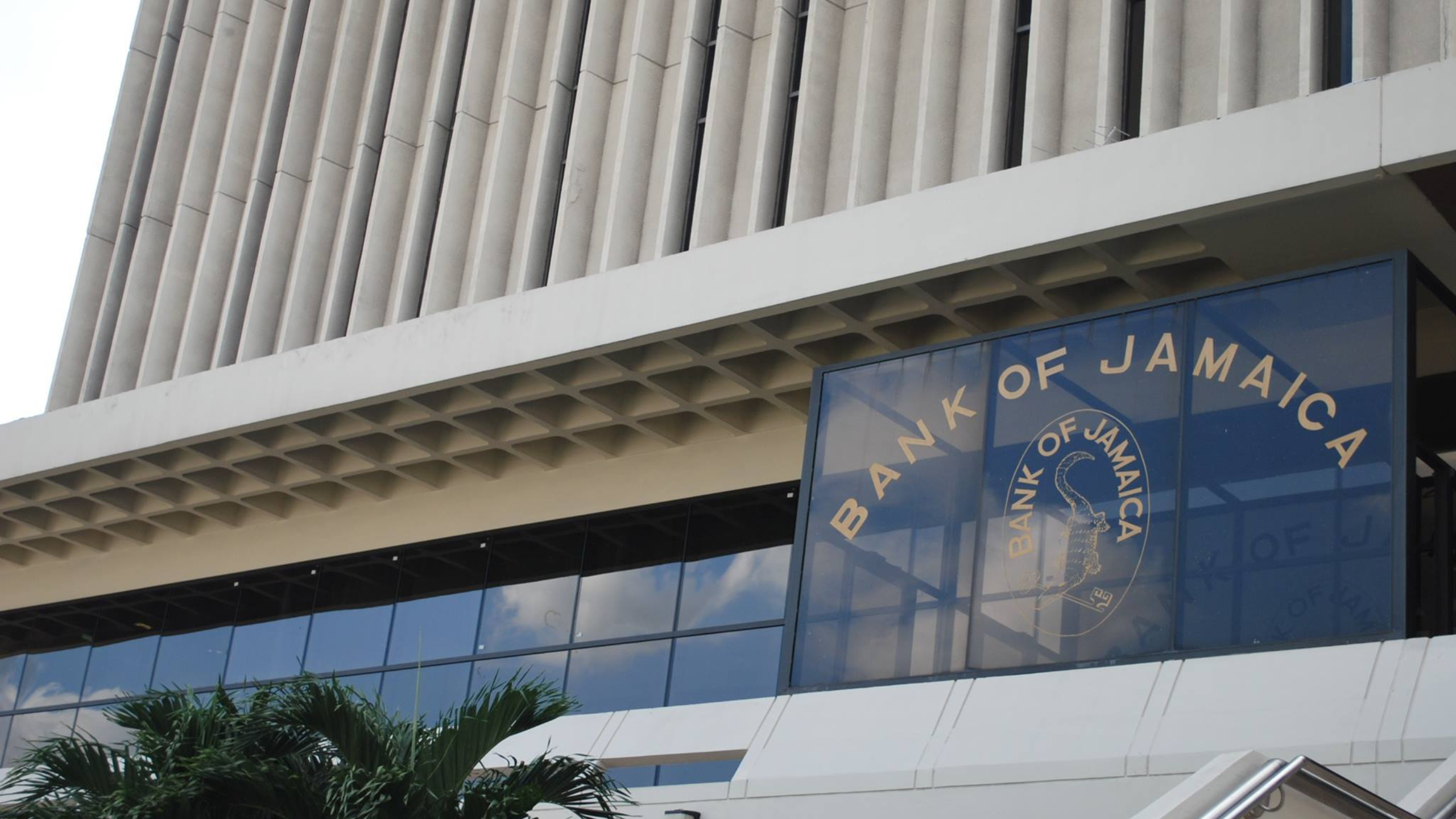

Jamaica’s central bank is stepping in again.
The Bank of Jamaica has injected US$40 million into the foreign exchange market in an effort to slow the slide of the Jamaican dollar — part of a much larger push that has already seen US$190 million deployed in just weeks.
The move is meant to stabilize the currency. But for everyday Jamaicans, it signals something deeper: pressure is building in the economy, and your money is feeling it.
When the dollar weakens, everything Jamaica imports becomes more expensive. And in a country that relies heavily on imports — from food to fuel — that impact spreads quickly.
Even if prices don’t jump overnight, they tend to rise quietly. Groceries creep up. Transportation costs increase. Utility bills follow. The effect is gradual, but persistent.
Fuel is the biggest risk. Jamaica already spends over US$1 billion a year on oil, and global prices are climbing again. As oil gets more expensive, so does everything that depends on it — which is nearly the entire economy.
The central bank’s intervention helps in the short term by increasing the supply of US dollars and easing demand pressure. But it doesn’t fix the underlying issue: Jamaica still needs more foreign currency flowing into the economy than going out.
That imbalance — driven by imports, debt, and global price shocks — is what continues to weaken the dollar.
At the same time, inflation is rising globally, and central banks are responding by tightening financial conditions. That means borrowing costs could remain high, and economic growth may slow.
For households, this creates a difficult mix:
higher prices, tighter budgets, and fewer opportunities to stretch income.
There’s also a wider constraint. With debt levels already elevated, the government has limited room to increase spending or provide relief without adding more pressure to the system.
So while the BOJ’s actions may stabilize the currency temporarily, they are effectively buying time — not solving the problem.
The real takeaway is straightforward.
The Jamaican dollar is under pressure.
Global costs are rising.
And the impact is showing up where it matters most — in your day-to-day spending.
For everyday people, this isn’t just a currency story.
It’s a cost-of-living story — and it’s still unfolding.