

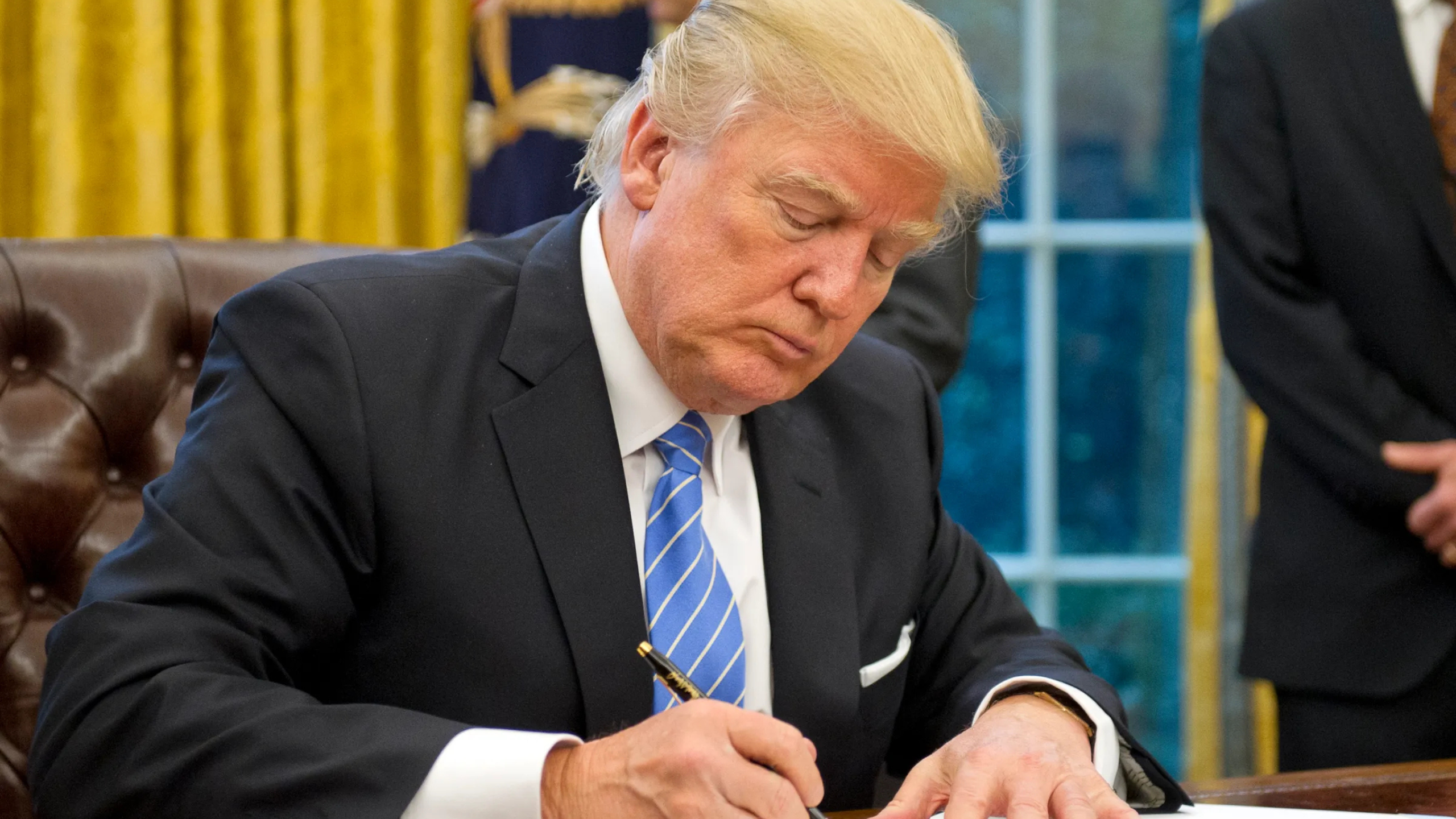

Tensions between the U.S. and Iran are rising again—and this time, it’s happening during what was supposed to be a ceasefire. Donald Trump confirmed that U.S. forces seized an Iranian ship, while Iran has threatened to retaliate. The situation is now unstable, especially around the Strait of Hormuz—one of the most important oil routes in the world.
This may sound like distant political news, but it has a direct impact on your money.
When tensions rise in this region, oil prices are usually the first thing to react. If ships are blocked or threatened, global oil supply tightens. That pushes fuel prices up—and you feel it almost immediately at the pump.
But the bigger impact is what comes next. Higher fuel costs increase the cost of transporting goods. That means groceries, household items, and everyday essentials become more expensive. These price increases often happen quietly, but they add up fast.
There’s also a risk that inflation starts rising again. If that happens, central banks may hold off on lowering interest rates. In simple terms, borrowing money—whether for a home, car, or credit card—could stay expensive for longer than expected.
Investments may also feel the pressure. Markets tend to react quickly to uncertainty, and rising geopolitical tension can lead to sudden swings. While some sectors like energy may benefit, overall market stability can weaken.
For countries like Jamaica, the impact can be even more noticeable. Higher fuel and shipping costs directly affect import prices, which can push up the overall cost of living.
The bottom line is this: when global tensions rise, your cost of living usually follows. This is one of those moments where what’s happening overseas can quietly but quickly show up in your everyday expenses.