

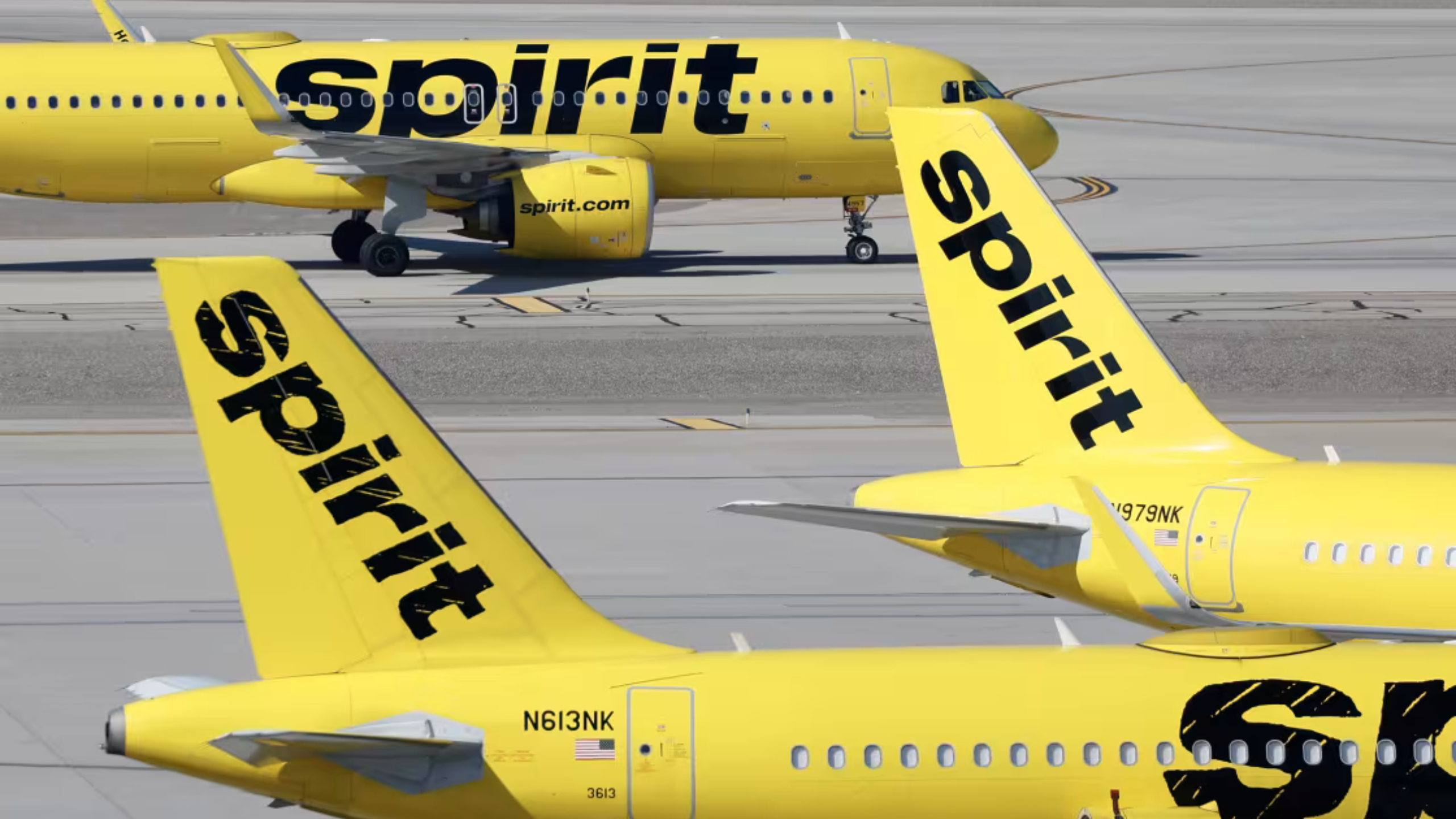

Spirit Airlines has shut down overnight. Flights are canceled. Travelers are stranded. Thousands of employees are suddenly out of work.
This wasn’t random.
Rising fuel costs tied to the Iran war pushed expenses higher, while long-standing financial issues left the airline with no room to absorb the shock. When both hit at once, the business couldn’t survive.
For everyday people, this is where the real impact begins.
Low-cost travel just took a hit.
Spirit built its model on ultra-cheap base fares. With it gone, one of the biggest price disruptors in the market disappears—and that gives other airlines more flexibility to increase prices.
Budget options are shrinking.
Fewer low-cost carriers means fewer deals. Last-minute travel, in particular, becomes more expensive and less accessible.
Disruptions are getting more costly.
Passengers caught in the shutdown are now paying significantly more to rebook. Refunds may come, but out-of-pocket costs like hotels and replacement flights often don’t.
The economic ripple is real.
Roughly 17,000 workers are affected. That’s income removed from the economy overnight, which slows spending and impacts businesses beyond aviation.
Market power is shifting.
Larger carriers like Delta Air Lines and United Airlines are positioned to take over routes and customers. Less competition typically leads to higher fares over time.
The bigger shift is what matters most.
Global events—like war—are now directly reshaping everyday costs. When fuel prices surge, it doesn’t just make travel more expensive. It can shut down entire companies, eliminate jobs, and reduce consumer choice in a matter of days.
The takeaway is simple.
Travel will cost more. Options will be fewer. And unexpected disruptions will become more expensive to manage.
Because in today’s economy, even “cheap flights” are no longer reliable— and global shocks are now hitting your wallet in real time.