

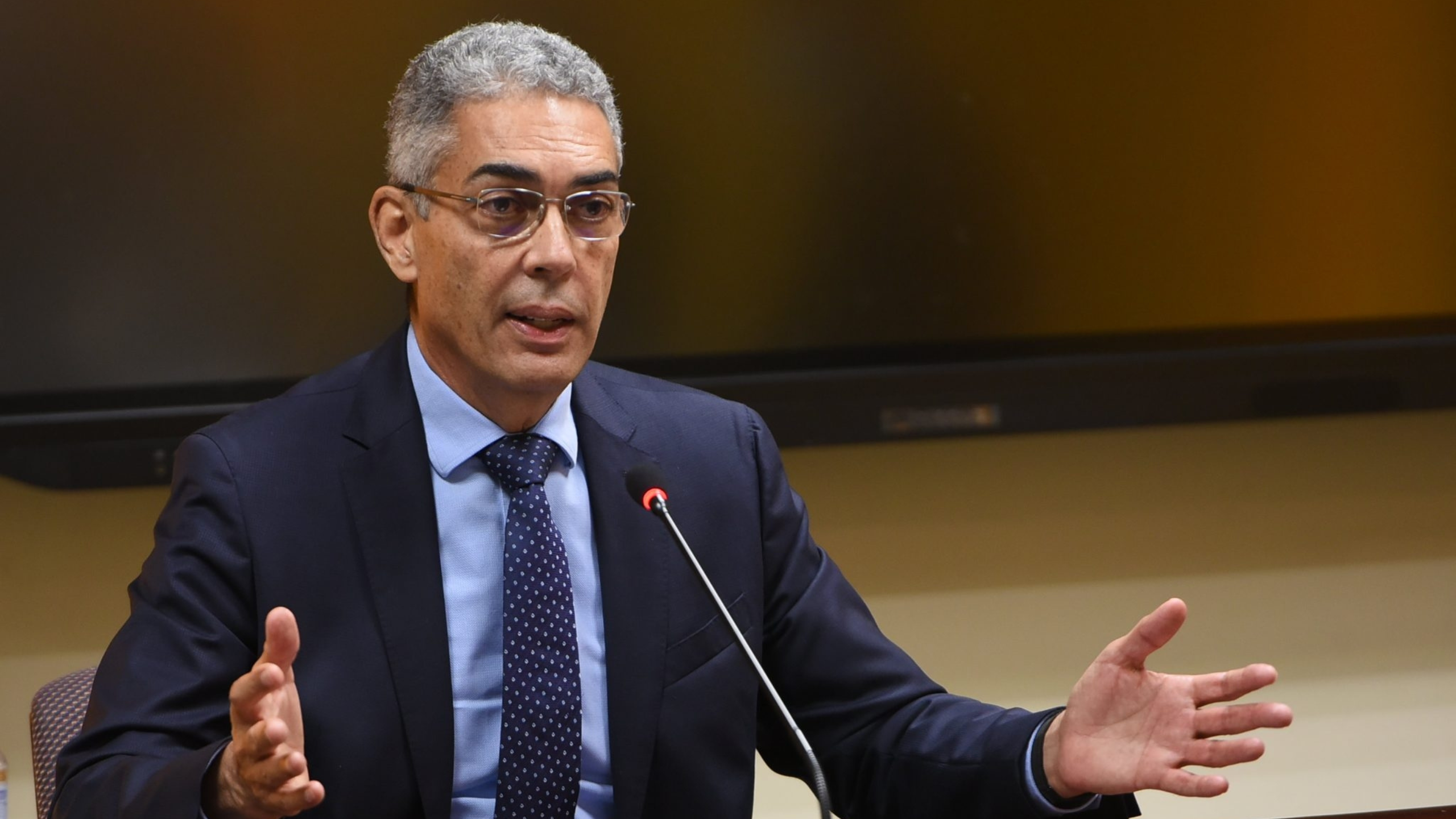

The Bank of Jamaica (BOJ) can cut its policy rate, but it cannot force commercial banks to immediately make loans cheaper. That gap is now getting attention after outgoing BOJ Governor Richard Byles suggested the central bank may need to play a more active role in ensuring monetary-policy changes reach borrowers and savers.
During 2025, the BOJ reduced its policy rate from 6% to 5.75%. Yet by December, the average deposit rate had fallen 0.57 percentage points to 2.14%, while the average lending rate actually increased 0.09 percentage points to 12.44%. In simple terms: savers earned less while borrowers paid slightly more.
Why Aren’t Loan Rates Falling?
A BOJ policy-rate cut does not automatically translate into a cheaper mortgage, car loan or business loan. Commercial banks determine their rates based on funding costs, operating expenses, credit risk, competition and profitability. Fixed-rate loans may not change at all, while variable rates can take time to adjust.
But when deposit rates fall faster than lending rates, banks can benefit from wider margins. This deserves attention in a market where two large institutions control more than half of commercial-bank assets, deposits and net loans. Less competition can reduce the pressure on banks to quickly pass lower rates to customers.
What This Means for Your Money
Borrowers should not assume a BOJ rate cut means their monthly payments will automatically decline. Check whether your loan is fixed or variable, how frequently the rate is reviewed and what determines an adjustment.
Savers should also pay attention. If deposit rates fall while inflation remains higher, the purchasing power of money sitting in low-interest accounts can decline.
Small businesses may feel the impact even more. If borrowing remains expensive despite lower policy rates, businesses may postpone expansion, equipment purchases and hiring—the exact activities lower rates are intended to encourage.