

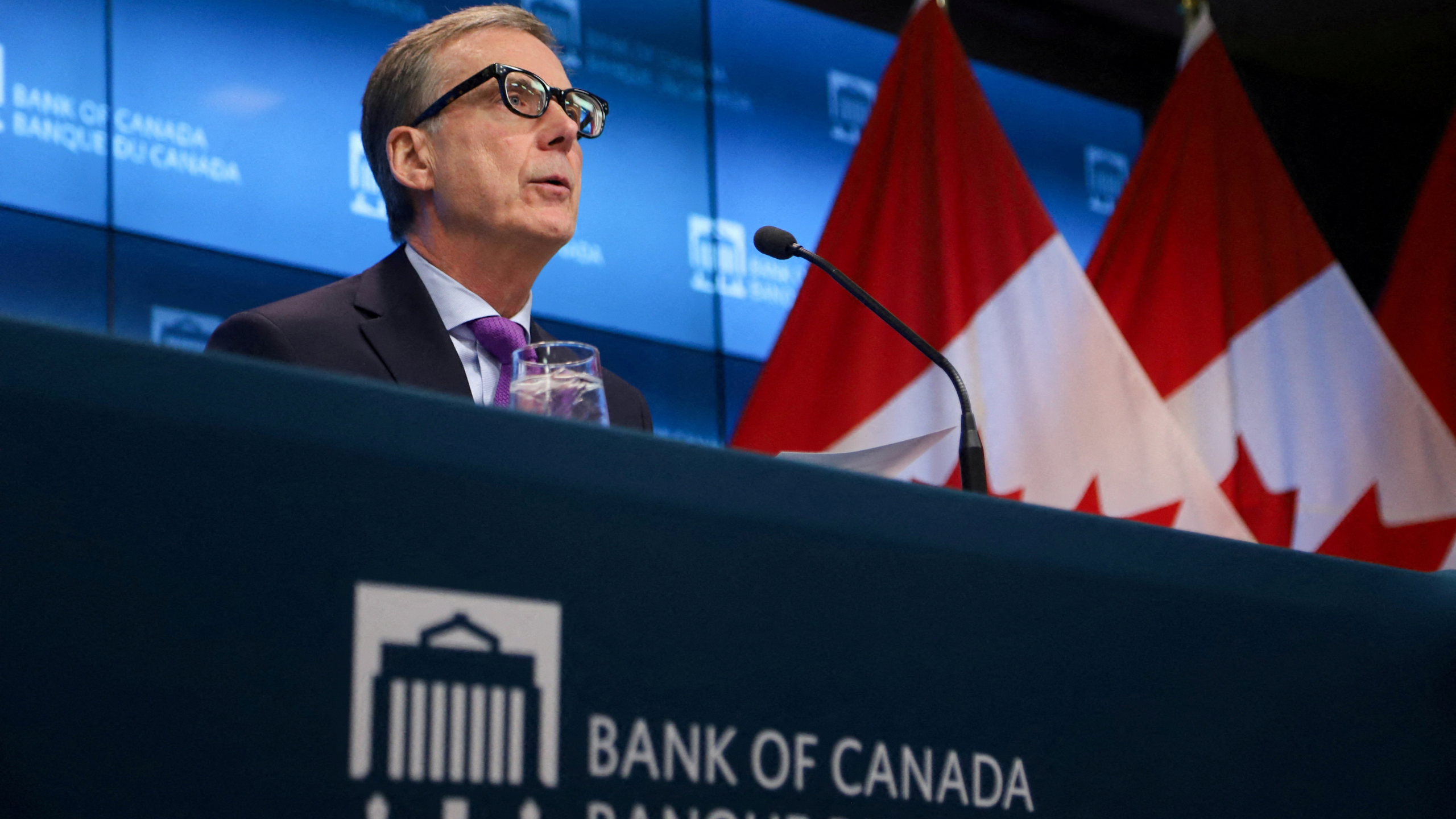

The Bank of Canada has decided to leave its key interest rate unchanged at 2.25 per cent, a move that markets had already priced in. Inflation is close to the Bank’s two per cent target, job numbers have surprised on the upside, and economic growth has been stronger than expected. Still, policymakers are choosing to wait.
What stood out was not just the decision to hold, but the message that came with it. The Bank offered no timeline for future rate increases and pushed back against growing speculation that hikes were coming soon. The tone suggests policymakers believe rates are already doing their job — slowing inflation without choking the economy.
Officials acknowledged what households already know. Prices are still higher than they were a year or two ago. Even if inflation has cooled, the cost of living has not. At the same time, uncertainty hangs over the economy, driven by trade tensions, cautious business behaviour and a labour market that may be losing momentum beneath the surface.
While headline growth looked strong in the third quarter, the Bank was careful to note that much of it came from volatile trade activity rather than everyday spending by Canadians. Domestic demand remains flat. Hiring intentions are muted. The economy, in the Bank’s words, is going through a “structural adjustment” that will take time to work through.
For households, the immediate impact is stability. Borrowing costs are not rising. Variable-rate mortgages, lines of credit and other loans tied to the prime rate should remain unchanged for now. After years of rapid rate moves, predictability itself has become a form of relief.
But this is not the beginning of a new easing cycle. The Bank is not signalling quick rate cuts. Credit will remain expensive by historical standards, and refinancing relief is not around the corner. The message is clear: manage debt carefully and don’t assume borrowing will suddenly get cheaper.
The hold also means savers continue to benefit. Interest on savings accounts, GICs and money-market products should remain relatively attractive, offering a rare window where saving is finally rewarded after years of near-zero returns.
Economists remain divided on what comes next. Some see rate hikes returning late in 2026 or even 2027 if inflation pressures rebuild. Others expect cuts if growth weakens and trade risks intensify. For now, the Bank is signalling it will only act if the outlook changes in a meaningful way.
The bigger takeaway is not about guessing the next rate move. It is about understanding the environment. Canada is in a slow, uneven adjustment phase. Growth is fragile. Confidence is cautious. Inflation is contained, but not defeated.
For everyday people, this decision buys time, not freedom. Budgets are still tight. Prices are still high. The smart response is not to stretch finances, but to use stability to rebuild buffers, reduce risky debt and avoid assuming better conditions are guaranteed.
Interest rates are no longer moving fast. That does not mean the pressure has disappeared.