

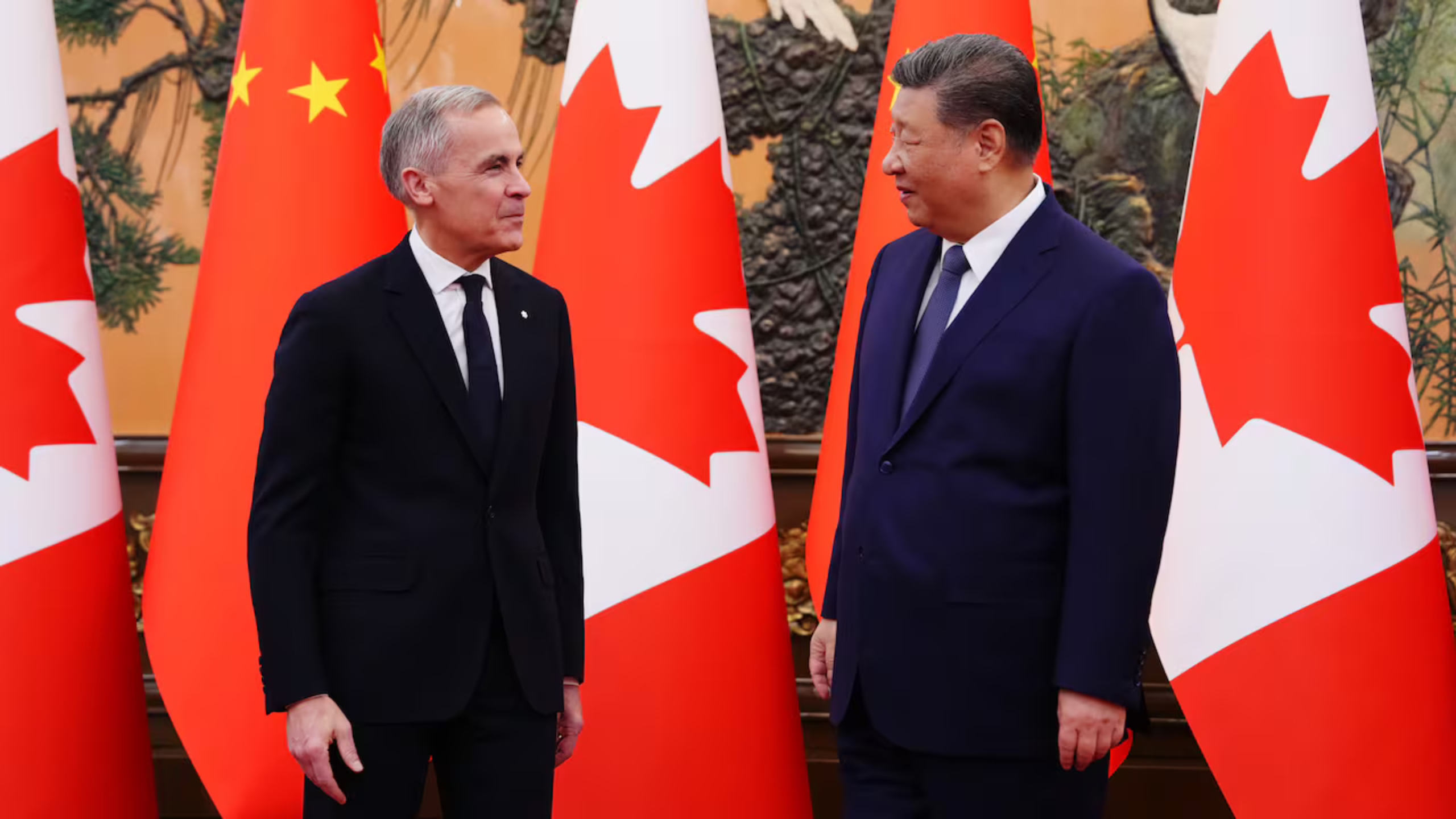

Canada has struck a new tariff deal with China that signals a clear shift in how the country does business with the world. It could quietly affect household budgets, jobs, and prices in the months ahead. Prime Minister Mark Carney called the agreement “landmark,” but reactions across the country show it’s anything but simple.
At the center of the deal is a trade-off. Canada will allow tens of thousands of lower-priced Chinese electric vehicles (EVs) into the country under a tariff-quota system. In return, China will ease tariffs on key Canadian exports like canola and other agricultural products, offering relief to farmers who have been squeezed by the trade war.
For consumers, the most immediate impact could show up at the dealership. Chinese-made electric vehicles are expected to sell for around $35,000, well below many current options. That could put downward pressure on EV prices overall, making electric cars more affordable, but also intensifying competition for Canada’s auto sector.
For workers, the picture is mixed. Leaders in Ontario warn cheaper Chinese EVs could hurt autoworker jobs, especially in manufacturing hubs tied to North American supply chains.
Meanwhile, Prairie provinces and B.C. are more optimistic, as farmers and seafood producers gain improved access to a massive export market. For them, lower tariffs mean steadier income and less uncertainty heading into planting and fishing seasons.
This deal also signals a broader change. Canada had previously matched U.S. tariffs on Chinese EVs, but this agreement marks a clear break from Washington’s approach. Carney argued China has been more predictable than the U.S. in recent months. A striking statement given Canada’s long-standing reliance on its southern neighbor.
That shift comes with risks. The U.S. reaction matters, especially with the Canada-U.S.-Mexico Agreement (CUSMA) up for review this year. Donald Trump initially called the deal a “good thing,” but officials around him warned Canada could “regret” moving closer to China. Any fallout could affect trade, jobs, and prices tied to U.S. supply chains.
The bottom line
For households, this deal isn’t about geopolitics — it’s about prices, paycheques, and stability. Cheaper EVs could help consumers. Stronger farm exports could support rural incomes. But job risks in manufacturing and uncertainty around U.S. relations mean this isn’t a free win.
The key takeaway: Canada is adjusting to a more fragmented global trade system, and everyday people may feel both the benefits and the growing pains. Lower prices in some areas may come with tougher competition and a more uncertain economic backdrop.