

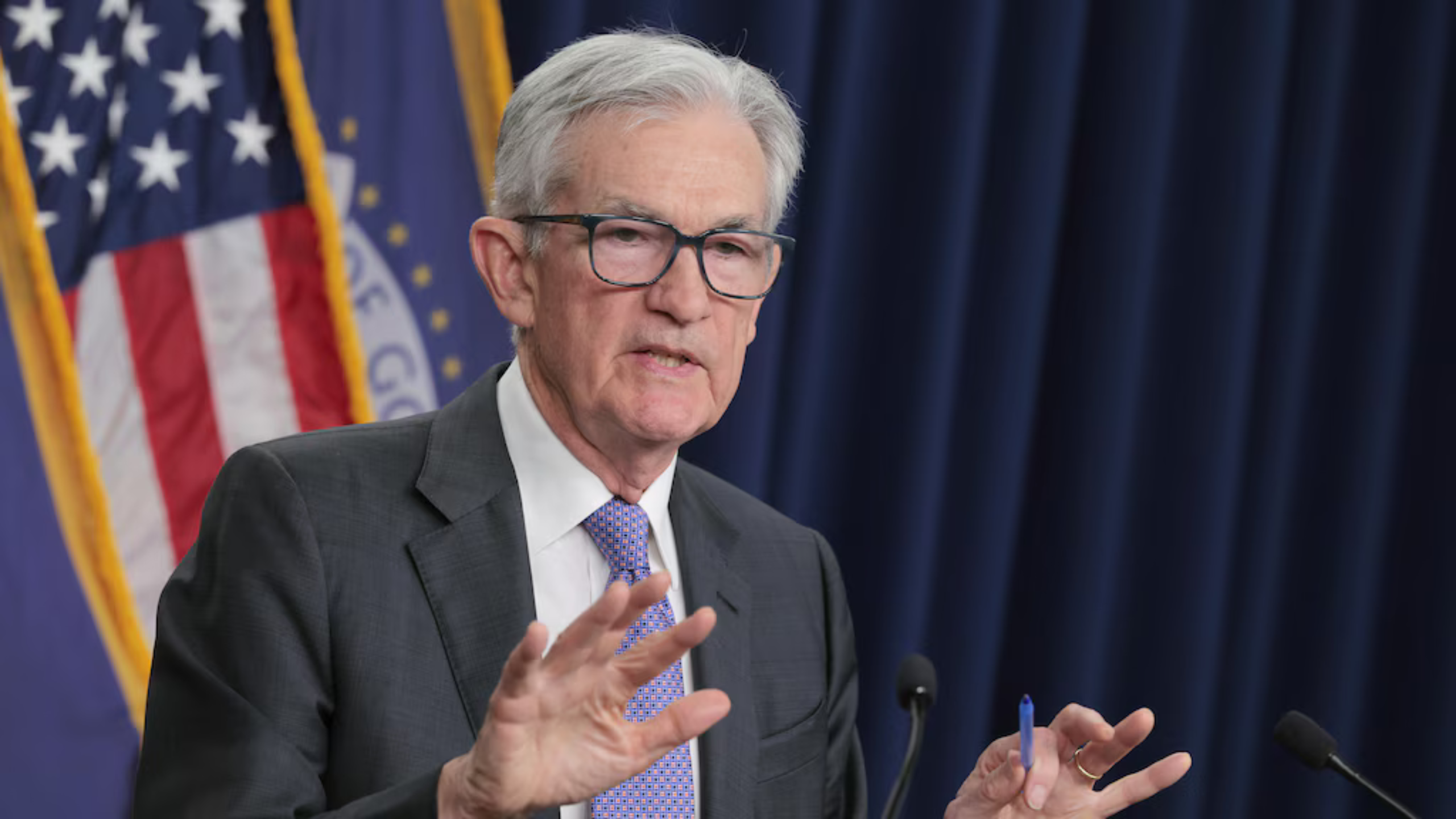

Federal prosecutors have opened a criminal investigation involving Jerome Powell and the Federal Reserve, tied to a $2.5 billion renovation of the Fed’s Washington headquarters. On the surface, it sounds like a dispute over construction costs. In reality, markets see something much bigger: a direct challenge to the Fed’s independence.
Powell says the investigation is happening because the Fed has refused political pressure to cut interest rates. That pressure has come most visibly from Donald Trump, who has repeatedly attacked Powell and made it clear he wants lower rates — now.
For everyday people, this matters because the Fed controls the price of money.
When the Fed is free to act independently, interest rates are set based on inflation, jobs, and economic stability. When politics enters the picture, confidence cracks — and financial markets react fast.
Here’s what that means for your money.
If confidence in the Fed weakens, interest rates can become less predictable. That affects mortgage payments, car loans, credit cards, and business borrowing. Even the expectation of political interference can push rates higher as lenders demand more protection against uncertainty.
Markets also tend to swing sharply during moments like this. Stocks, bonds, and currencies don’t like instability at the top of the financial system. Short-term volatility often follows, which can make retirement accounts feel shaky — even if nothing has fundamentally changed in the economy.
There’s also a longer-term risk. If future Fed leaders feel pressured to cut rates too soon or too aggressively, inflation could stay higher for longer. That shows up in everyday life as higher food prices, rent, insurance, and utility bills.
The timing makes this even more sensitive. Powell’s term ends in May, and the investigation lands just as a new Fed chair is expected to be named. Lawmakers from both parties have already signaled they may delay or block confirmations until the situation is resolved. That uncertainty alone is enough to keep markets on edge.
The bottom line
This isn’t really about a building renovation. It’s about whether the institution that controls interest rates can operate without political pressure. When trust in that system is questioned, borrowing costs shift, markets wobble, and household finances feel the impact.
For everyday people, moments like this often create anxiety — but they also explain why markets sometimes dip suddenly. History shows that uncertainty and panic tend to move prices in the short term, while disciplined, long-term investors focus on staying steady through the noise.