


Hundreds of students across Ontario are protesting after the provincial government announced major changes to the Ontario Student Assistance Program (OSAP) — a move that could leave many graduates carrying significantly more debt.
Starting next school year, the financial aid system will shift from mostly grants (money students don’t repay) to mostly loans (money they must repay). Under the current model, students can receive up to 85% of their aid as grants. Under the new rules, grants could drop to just 25%, while loans could make up 75% or more of the support.
Students say the change comes at the worst possible time, with many already struggling with rising costs for rent, food, and tuition. Protests and walkouts have taken place across the province, including a large rally outside Queen’s Park in Toronto.
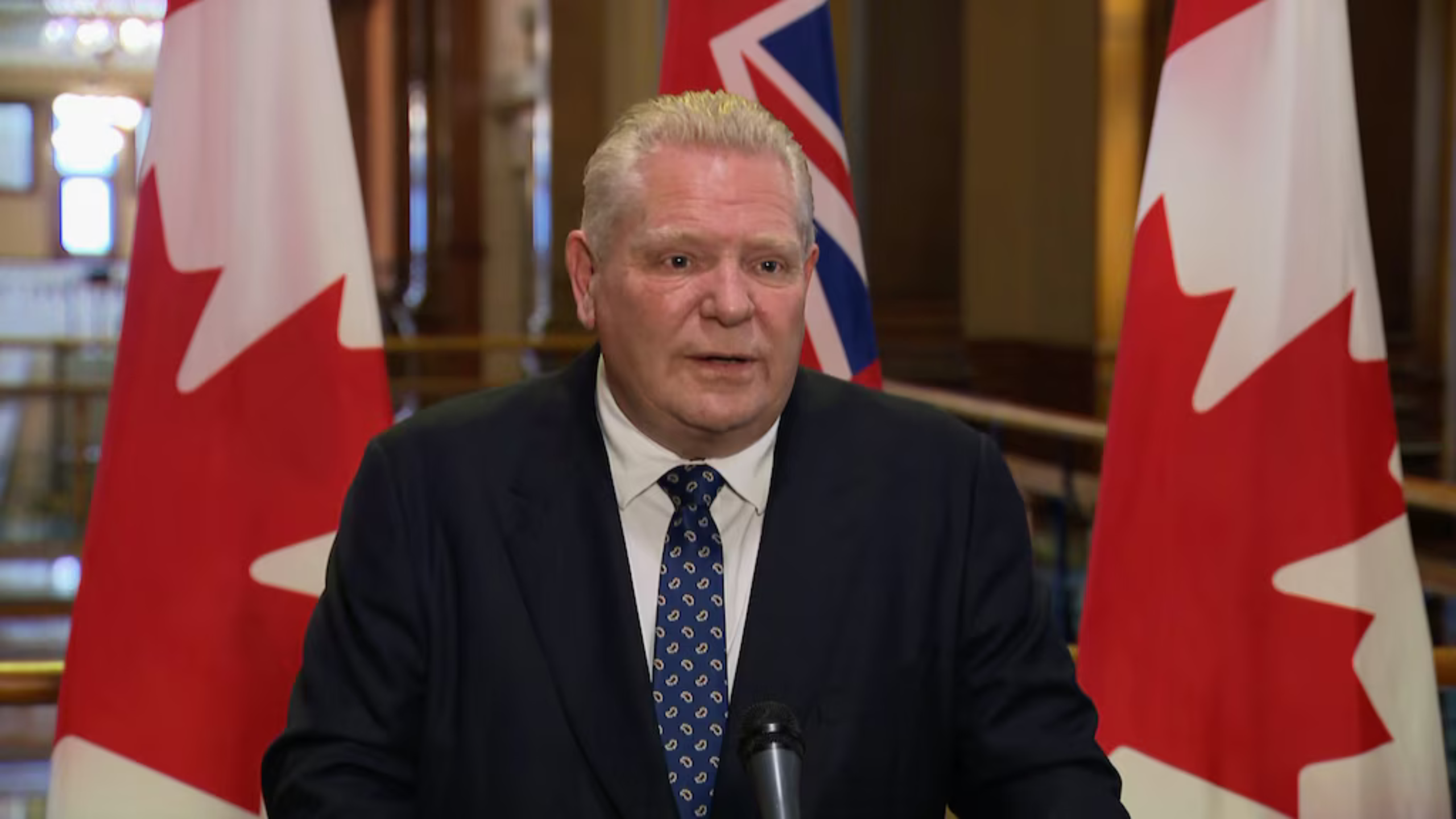
The Ford government argues the shift is necessary because the previous OSAP model had become too expensive to sustain, with grant spending rising sharply in recent years. Officials say the changes will help ensure the program can continue supporting students long term.
For everyday families, the real issue is simple: education may now come with a bigger price tag.
If students rely more heavily on loans instead of grants, many will graduate with larger student debt balances. That debt can delay key financial milestones — from buying a home to starting a business or building long-term savings.
In other words, while OSAP will still exist, the balance is shifting. More of the cost of education is moving from government funding to personal borrowing.
And for the next generation of workers, that could mean starting adulthood not just with a degree — but with a much bigger bill attached to it.