

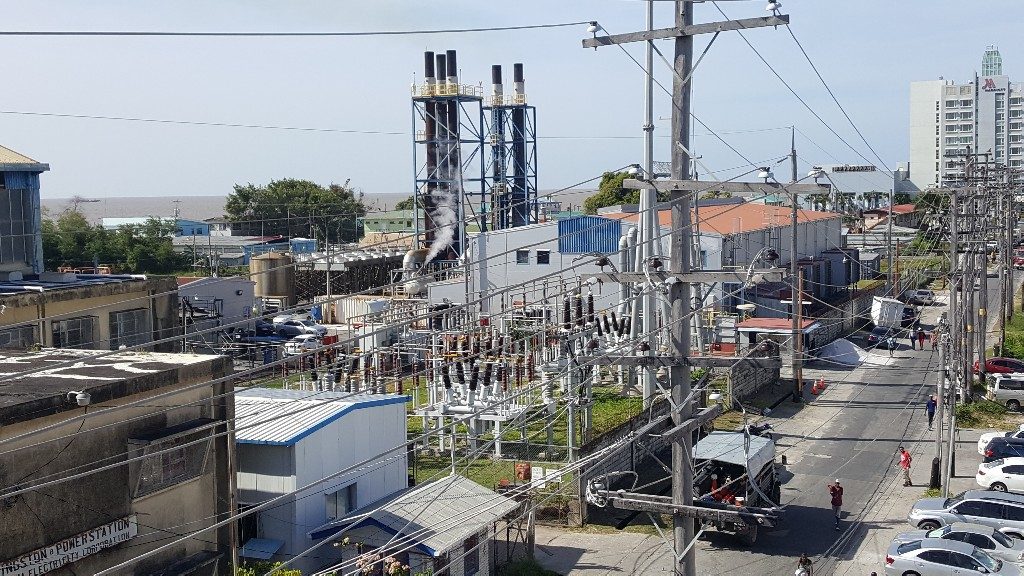

Guyana is arranging another 20 megawatts of generating capacity for its electricity grid ahead of the Christmas period. The equipment is intended for the Onverwagt substation, adding capacity to the Demerara-Berbice Interconnected System rather than creating a third power-ship arrangement.
The plan was outlined in the National Assembly on November 23 and covered on November 24. The additional plant is a supply measure, not evidence that the equipment has already been installed, tested and put into service. That distinction matters for businesses planning a busy trading season.
The business cost is bigger than a light bill
A power interruption can affect refrigeration, electronic payments, machinery and opening hours. For a small retailer or food business, lost sales and spoiled stock can matter as much as the cost of backup fuel. More generating capacity could help, but reliable delivery also depends on transmission, distribution and equipment availability.
Businesses should therefore watch the actual arrival and commissioning timetable, alongside changes in service reliability. A capacity announcement does not establish that every area will receive uninterrupted power or that tariffs will fall. Those are separate questions requiring separate evidence.
For diaspora investors funding a business in Guyana, the practical issue is whether its operating budget includes realistic backup and interruption costs. A project can benefit from an expanding economy and still face infrastructure constraints. Working capital should reflect the conditions the business is operating in today.
The next test is execution: equipment delivery, grid connection and dependable performance. Until those steps are demonstrated, the new capacity is an encouraging plan rather than a reason to remove resilience costs from a business forecast.