

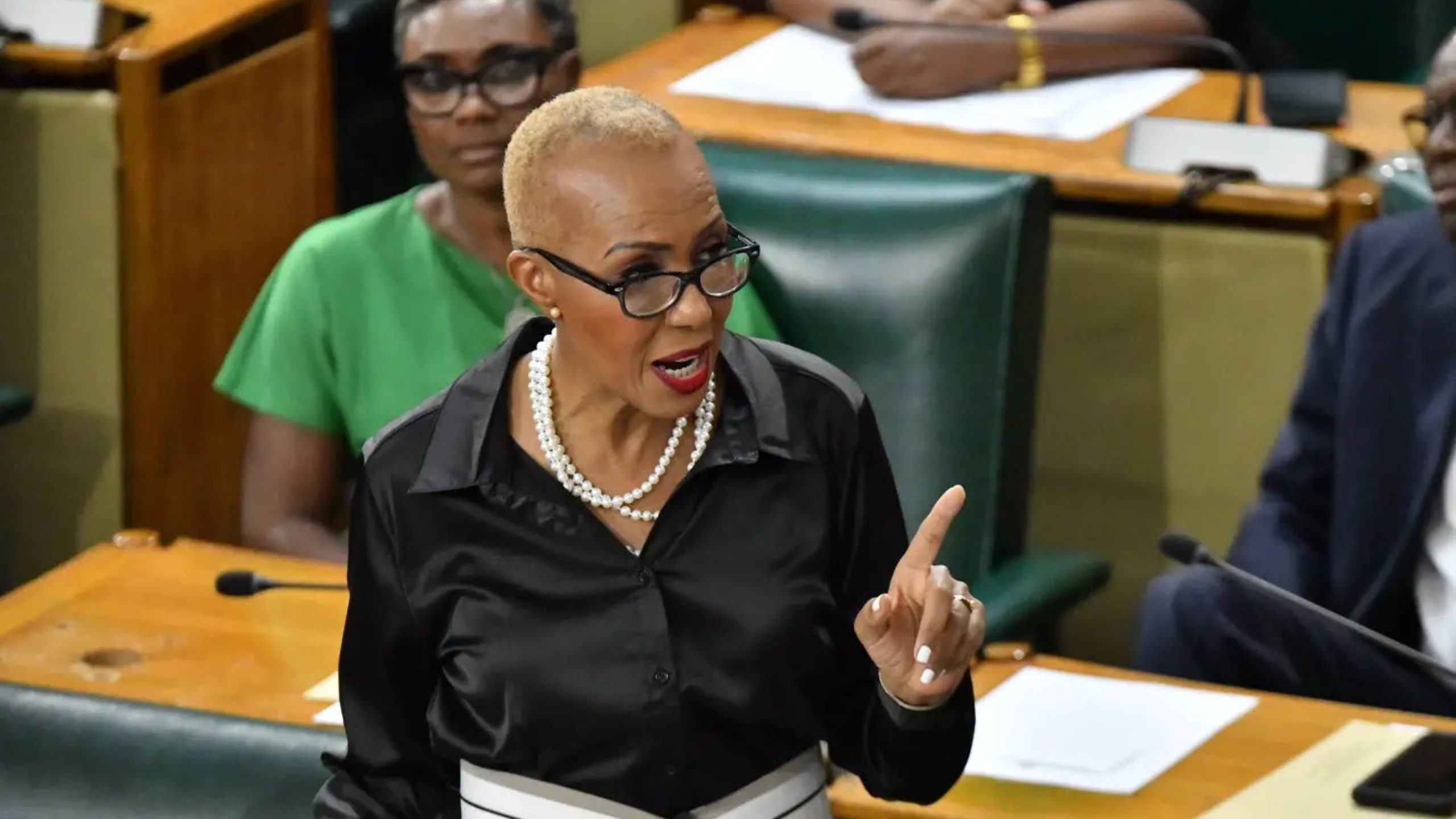

Finance Minister Fayval Williams has confirmed that new tax measures are coming as the Government works to close a major fiscal gap created by Hurricane Melissa. The storm caused an estimated US$8.8 billion in damage about 41% of Jamaica’s entire economy.
That level of destruction means two things happened at once:
Government spending surged for rebuilding and public services, while tax revenues fell as businesses slowed down.
In simple terms, the country is now spending more and earning less.
The Government says it could borrow to cover the shortfall. But Jamaica has lived through decades of heavy debt before — with high interest payments limiting growth and opportunity. After years of hard fiscal discipline and debt reduction, the administration says it does not want to reverse that progress.
So instead of relying fully on borrowing, the plan is to introduce new taxes while using targeted loans for productive investments like infrastructure, agriculture, logistics, and digital systems.
What does this mean for everyday people?
It likely means higher taxes in some form. The details will be announced in the budget, but this could involve adjustments to existing taxes, the removal of certain concessions, or new revenue measures. The Finance Minister has said the burden will be shared fairly and vulnerable groups will be protected — but households and businesses should still prepare for some financial impact.
For families, this may affect disposable income.
For businesses, it could mean higher operating costs.
For consumers, it could eventually show up in higher prices.
The bigger picture is about stability. Jamaica has spent more than a decade rebuilding fiscal credibility after past economic crises. The Government wants to avoid falling back into a debt trap while still funding disaster recovery.
This budget is a turning point.
It’s a choice between borrowing heavily today or asking the country to contribute more through taxation to protect long-term financial stability.
For households and business owners, now is the time to review budgets, manage cash flow carefully, and prepare for potential changes once the full tax package is revealed.
The hurricane was historic. The financial response will be too.