

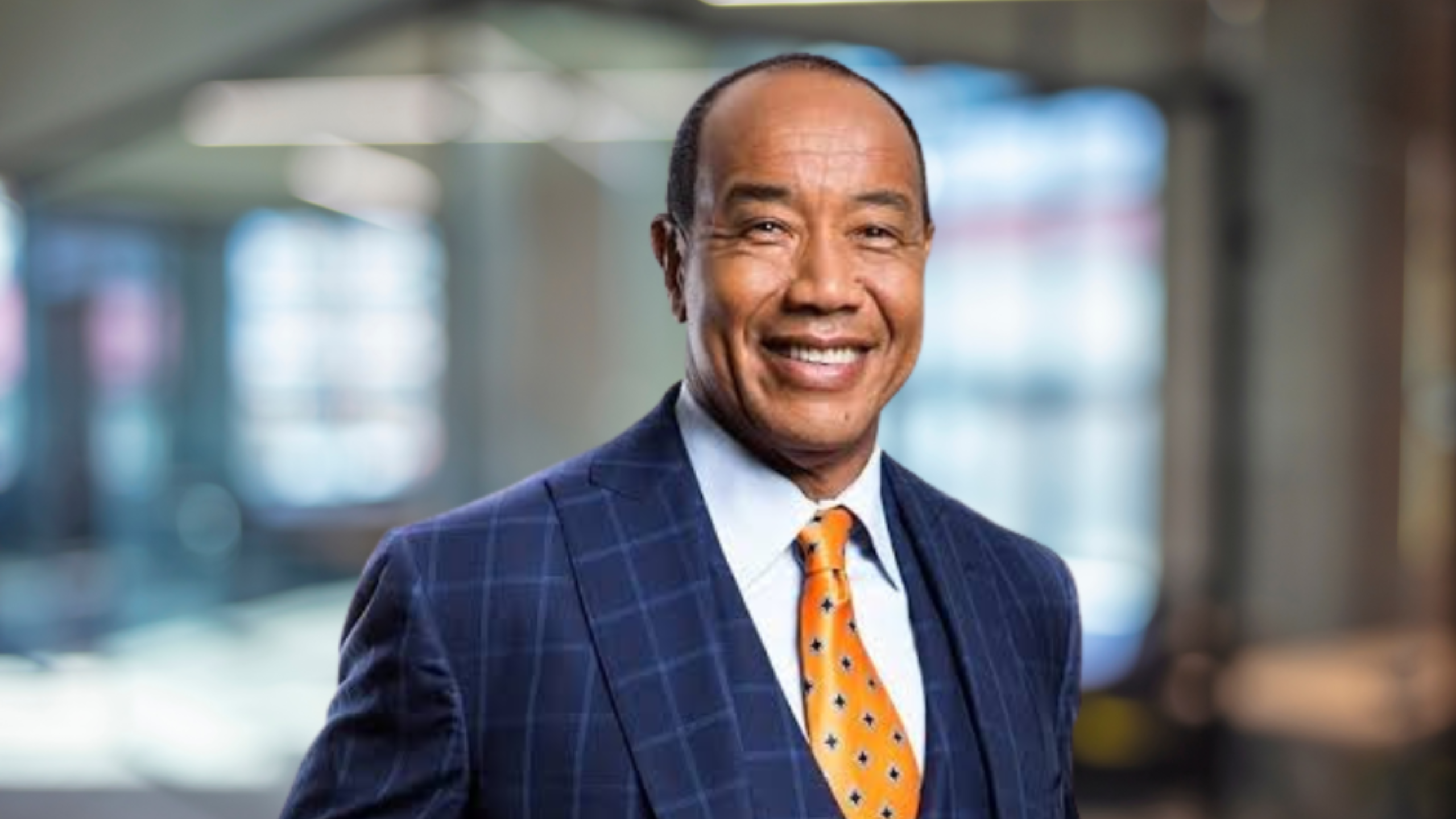

A quiet financial showdown is unfolding around one of Jamaica’s most influential business figures. Bondholders for companies owned by billionaire Michael Lee-Chin have issued a firm ultimatum: pay US$94.1 million by December 31, 2025, or risk losing more than 1 billion NCB Financial Group shares that were pledged as security for the debt. Those shares represent roughly 41 per cent ownership in NCBFG, making this one of the most consequential private debt negotiations in Jamaica’s recent financial history.
The outstanding liabilities—over US$364 million across three Lee-Chin–controlled companies—have been accumulating for years. Bondholders, many of them Jamaican institutional investors, will vote in December on whether to grant one final extension. The conditions are strict: US$19.1 million to cover overdue interest, US$75 million on the principal, and if missed, a 45-day grace period before trustees are allowed to enforce on the collateral. That enforcement would likely mean the seizure and potential sale of more than a billion NCB shares into the market. This isn’t the first time the companies have struggled to make payments. In 2024, one of them was late on a US$23 million obligation. But the scale and consequences this time are significantly larger.
For everyday Jamaicans, this story is dramatic but not dangerous. Your bank deposits at NCB are not affected. This dispute sits at the shareholder and lender level, not inside the bank itself. Customer savings, loans and day-to-day banking services remain protected under the Bank of Jamaica’s regulatory framework.
Investors, however, should expect some market noise. If a forced sale of such a large block of shares were to occur, it could create short-term price swings in NCBFG stock. For small investors, volatility isn’t a sign to panic—it’s a reminder to stick to a plan. Some long-term investors may even see opportunity if prices dip temporarily.
The bigger lesson here is about debt, and it applies whether you manage billions or you’re just trying to get ahead financially. Lee-Chin’s companies borrowed heavily using their most valuable asset as collateral. When payments fall behind, lenders gain the power to take control of those assets. The message for ordinary people is simple: if you don’t manage your debt carefully, your debt will eventually manage you. Borrow only what you can comfortably repay, keep interest costs under control, and avoid pledging more than you can afford to lose.
Local institutional investors—including pension funds—are also involved, but this is a structured negotiation, not a crisis. The process is orderly, rules-based and supervised.
The noise around this high-profile dispute will continue, but the fundamentals of the financial system remain steady. For everyday Jamaicans focused on saving, investing and staying financially secure, the takeaway is to stay disciplined, ignore the headline drama, and keep building your own financial resilience—one decision at a time.