

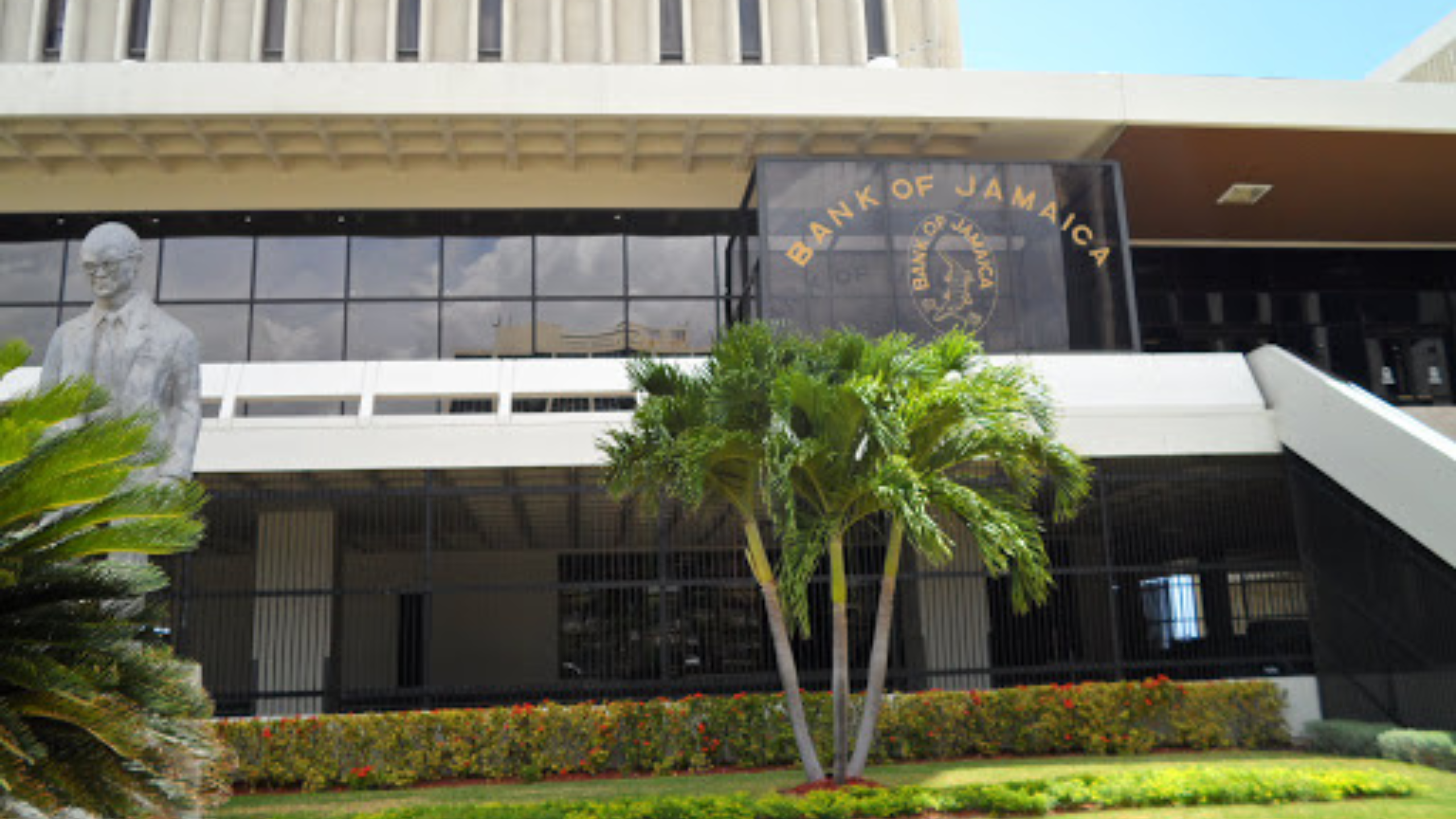

The Bank of Jamaica says a lot more cash is moving through Jamaica’s economy this Christmas — and it’s not just about holiday shopping.
The central bank is projecting that cash in circulation will rise by about $21 billion in December, pushing total currency in the system to roughly $321.6 billion by month-end. That represents a sharp 7% increase in just one month and an annual growth rate of 12.4%, far higher than what was seen in 2024.
While December usually brings higher cash demand, the BOJ says this year’s surge is being amplified by uncertainty following Hurricane Melissa, rising prices, and stronger remittance inflows.
In simple terms, people are holding more cash because they expect to spend more — and because they’re worried about what comes next. Inflation is already part of that story. Official data show prices jumped 2.4% in November alone, the fastest monthly increase in more than a decade, pushing annual inflation to 4.4%. Food and grocery prices are leading the rise, but the pressure is spreading across everyday expenses.
That trend is showing up clearly in the numbers. In just the first 11 days of December, the BOJ issued $3.3 billion more cash into the system, more than was issued over the same period last year. By mid-December, over $303 billion was already in the hands of the public and financial institutions — a sign that spending and precautionary cash holding are happening earlier and more aggressively than usual.
For everyday people, more cash in circulation does not mean life is getting easier. It usually means the opposite. When prices are rising, each dollar stretches less, especially at the supermarket and gas station. Christmas spending will feel heavier this year, not because people are buying more, but because everything costs more. The post-hurricane environment is also pushing households to keep extra cash on hand, knowing repairs, utilities, and basic services may remain unpredictable.
The real risk comes after the holidays. Heavy December spending combined with higher prices can leave families financially squeezed in January, even if their income hasn’t changed. More money moving through the economy is a signal of pressure, not prosperity. For households, the message is clear: spending discipline matters, cash buffers matter, and the higher cost of living is no longer a future concern — it’s already here.