

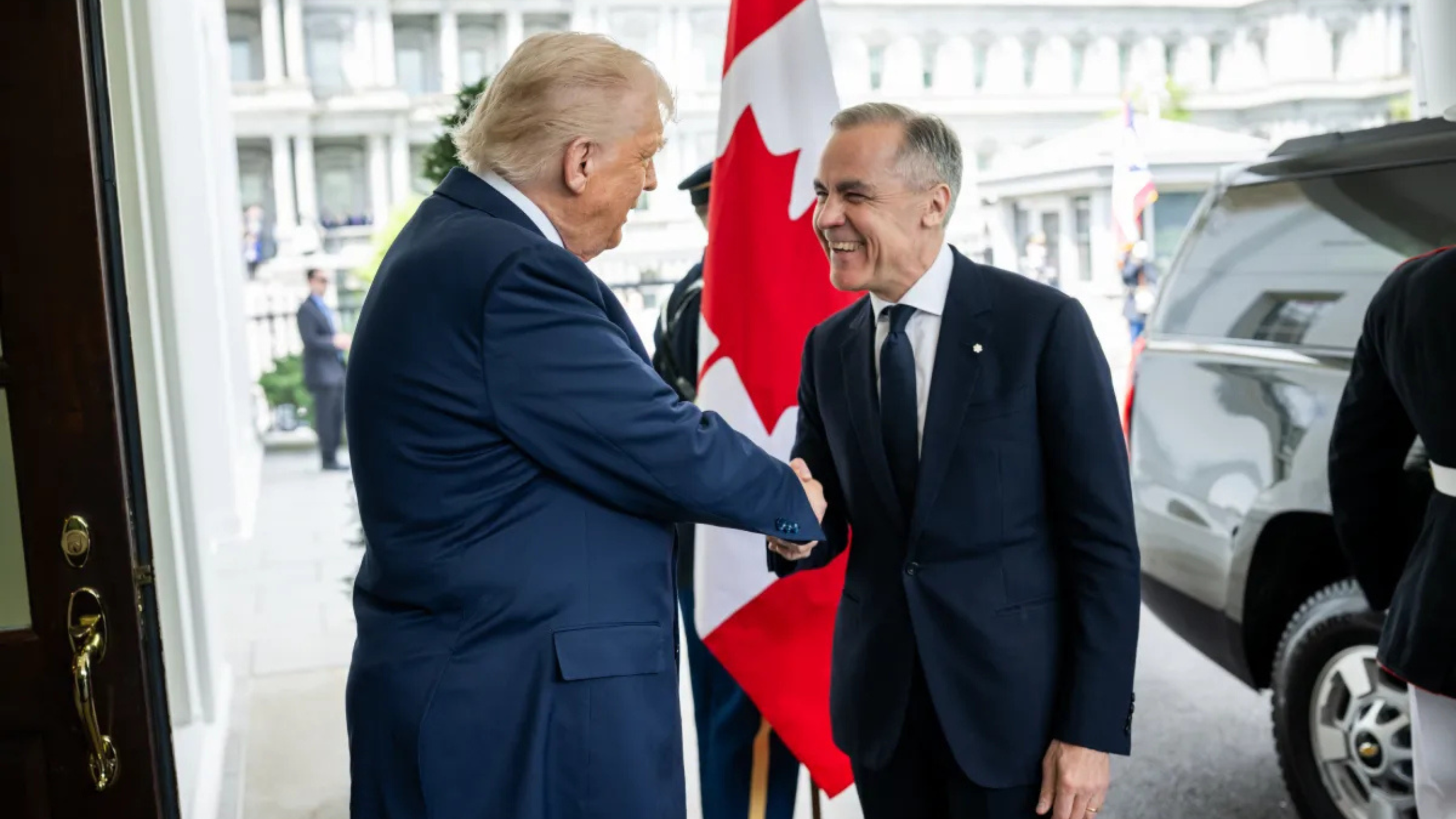

The US House of Representatives has voted to overturn President Donald Trump’s tariffs on Canada. The vote passed 219 to 211, with six Republicans joining Democrats.
But before anyone expects immediate price relief, here’s the reality: the vote is largely symbolic. The measure still has to pass the Senate, and even then it would need Trump’s signature. That’s unlikely.
So why does this matter for everyday people?
Tariffs act like a tax on imported goods. When the US puts tariffs on Canadian products, American companies pay more to bring those goods into the country. Businesses often pass those higher costs on to consumers. That can show up in higher prices for groceries, lumber, auto parts, appliances, and other everyday items.
Supporters of overturning the tariffs argue they’ve pushed up prices for households and hurt farmers and manufacturers. One Republican lawmaker even called the tariffs a “net negative” and described them as a tax paid by American consumers. That’s an important point: although tariffs are aimed at foreign countries, the cost often lands at home.
Trump, however, strongly defends the tariffs, saying they protect economic and national security. He has even threatened additional import taxes, including a potential 100% tariff tied to Canada’s trade moves with China.
For now, nothing changes. The tariffs remain in place. But this debate highlights something bigger.
Trade policy isn’t just political theater. It affects inflation, supply chains, and the price of everyday goods. If tariffs stay or expand, costs could remain elevated. If they are rolled back, there may be some price relief — though likely not overnight.
For households managing tight budgets, the takeaway is simple: global trade decisions can directly impact your cost of living. What happens next in Washington could quietly influence what you pay at the store in the months ahead.