


Inflation is rising again—and fuel is the reason.
A key U.S. inflation measure just hit its highest level in nearly three years, driven by the war involving Iran. Gas prices jumped sharply, and oil is now trading above $100 per barrel.
When fuel rises like this, it affects everything.
For everyday people, the impact is immediate.
Your daily costs are going up.
Gas is more expensive, but the bigger hit is indirect. Every product you buy has to be transported. As fuel costs rise, so do prices for groceries, clothing, and basic goods.
Your money is losing value.
Incomes are rising, but not fast enough. That means your paycheck isn’t stretching as far as it used to.
Borrowing is staying expensive.
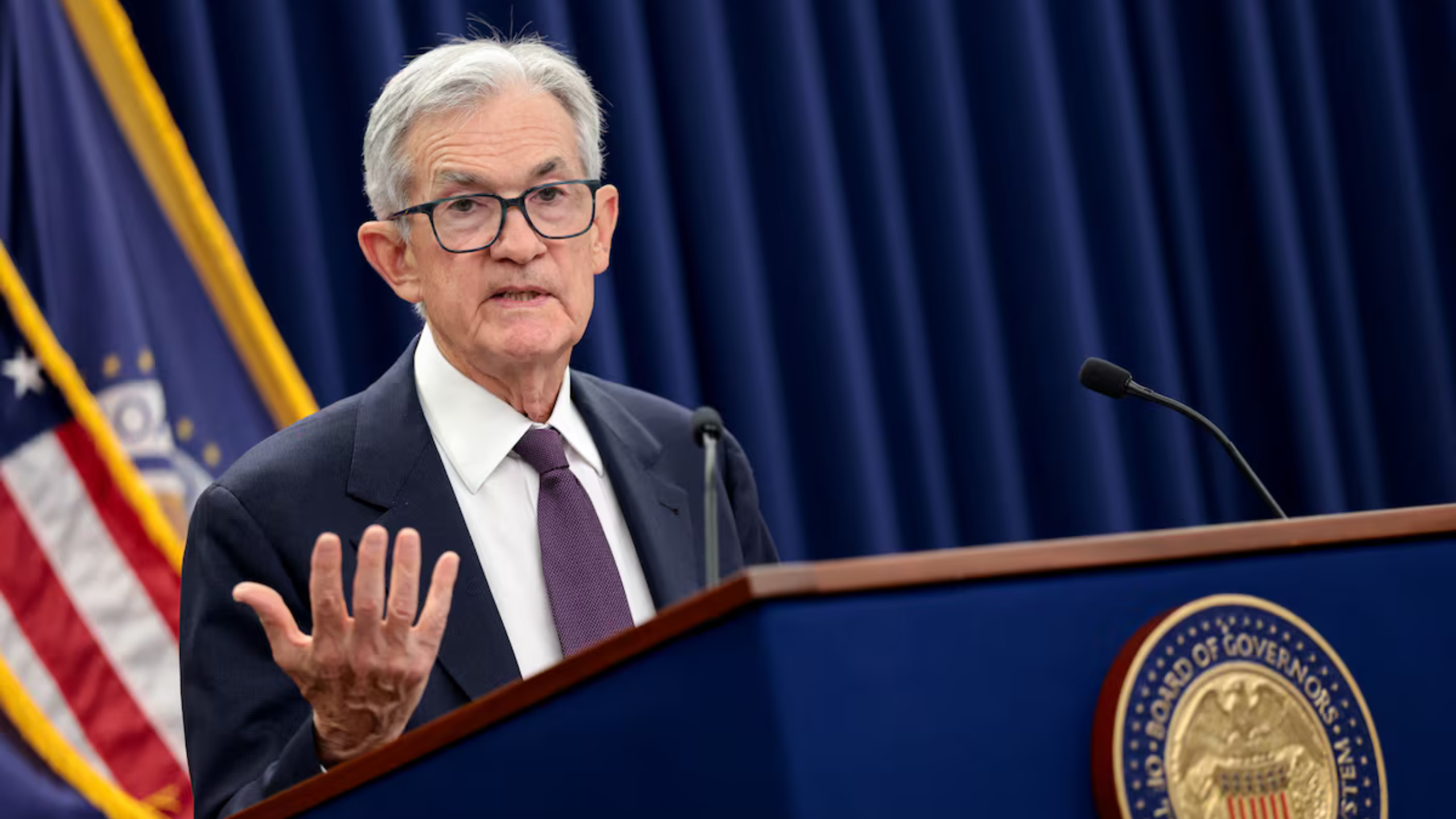
The Federal Reserve is likely to delay cutting interest rates. Higher inflation keeps rates elevated, which affects mortgages, credit cards, and loans.
Your spending power is getting squeezed.
More of your income is going toward essentials like gas. That leaves less for saving, investing, or discretionary spending.
There are small signs of relief—some prices like groceries dipped slightly—but overall costs are still moving higher.
The bigger picture is simple.
This is a global ripple effect. When war disrupts oil supply, it pushes up prices worldwide. And once that happens, it spreads through the entire economy.
The bottom line:
You’re paying more, your money is worth less, and borrowing isn’t getting cheaper anytime soon.
Because right now, global events aren’t just headlines— they’re directly hitting your wallet.