

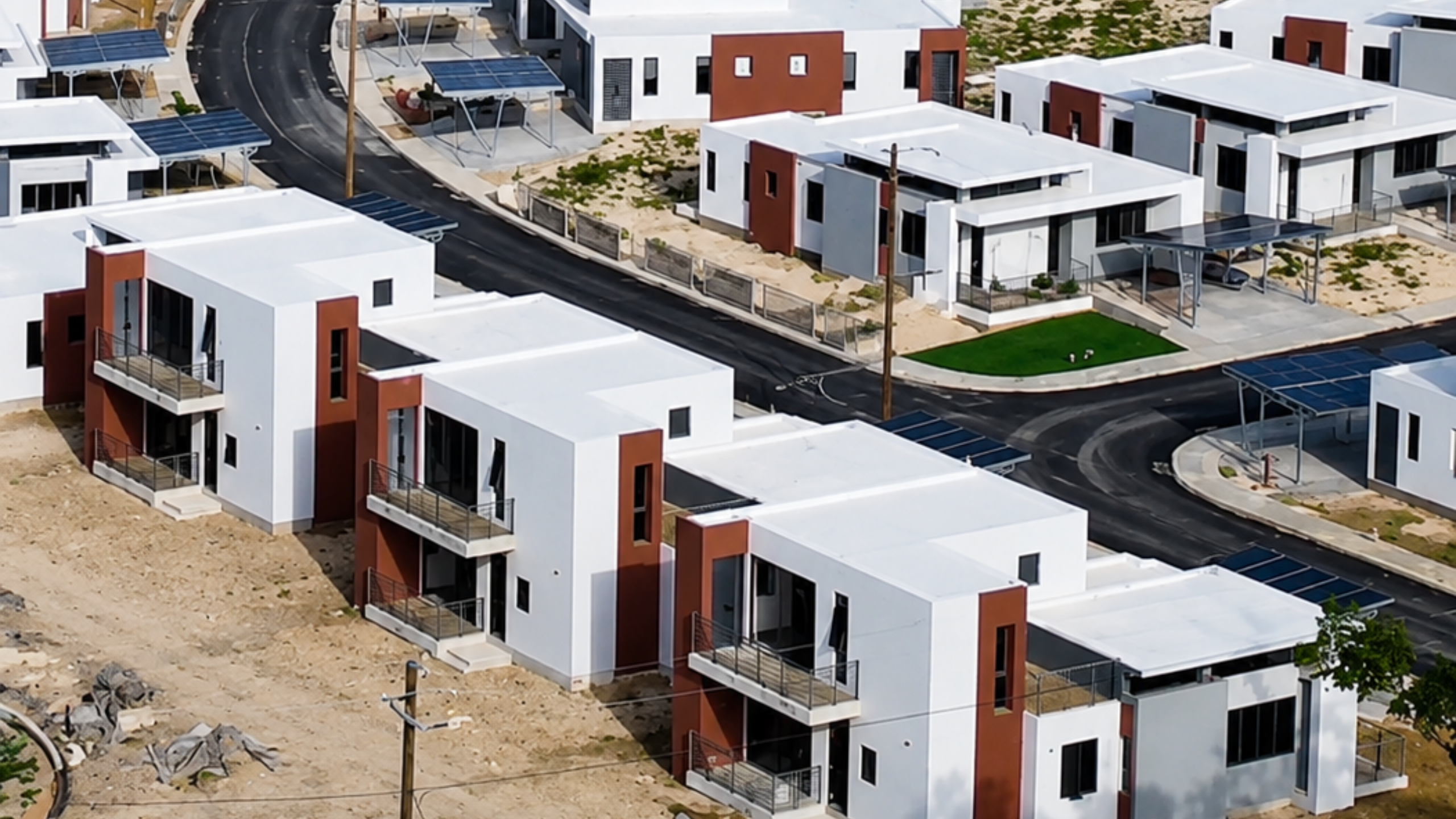

The Government has finalised the transfer of approximately 1,200 acres of land in Mammee Bay, St Ann, to China Harbour Engineering Company, better known as CHEC.
The land forms part of the compensation CHEC received under the 50-year, US$700-million agreement to build and operate Jamaica’s north-south highway.
CHEC reportedly plans to use the land to develop three hotels, 600 homes and several commercial properties near the highway.
The announcement has reopened an important question: should Jamaicans still be paying tolls if CHEC is also receiving valuable land?
Some members of the public believe motorists are paying twice. CHEC is earning toll revenue from drivers while also receiving land that could generate significant profits from hotels, housing and commercial developments.
However, the tolls are part of the original concession agreement. This means they would not automatically end because the land transfer is complete. Removing or reducing the tolls would likely require the Government to renegotiate the agreement and possibly compensate CHEC.
For everyday Jamaicans, the development could create jobs in construction, tourism, property management and retail. New hotels, homes and businesses could also increase economic activity and raise property values in nearby communities.
But there could also be downsides. More development may increase traffic, place pressure on roads and infrastructure, and make land and housing more expensive for residents.
There are also concerns about the environmental impact, particularly if the development affects beaches, watersheds or other sensitive areas.
The biggest issue is transparency.
Jamaicans deserve to know how much the land is worth, how much CHEC is expected to earn from tolls and whether the country is receiving fair value from the deal.
The money question is simple: if Jamaicans are giving up valuable public land while continuing to pay tolls, the Government must clearly explain what the country is getting in return.