

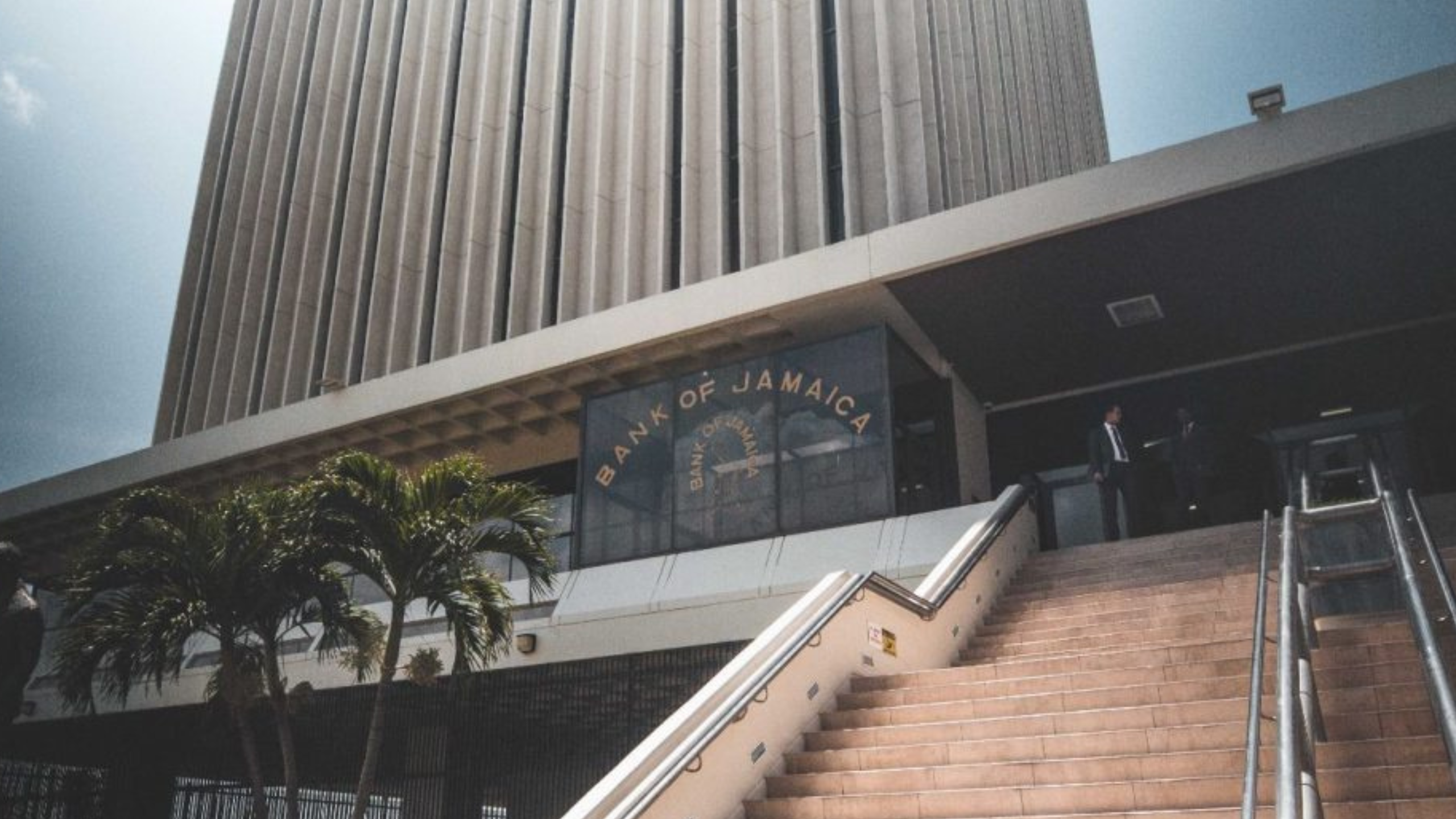

Cryptocurrency is already moving through Jamaica’s financial system, even though the country does not yet have a licensed local crypto exchange.
According to the Bank of Jamaica, Jamaican banks reported approximately J$8.9 billion in cryptocurrency-related transactions between 2020 and June 2025. That money moved across 296,156 transactions over the five-year period.
On paper, that number is still small compared to the size of Jamaica’s economy. The BOJ said the total represents less than one per cent of GDP. But for everyday people, the message is clear: Jamaicans are already participating in crypto, even if the local rules are still catching up.
The key issue is that Jamaica currently has no licensed cryptocurrency exchange, no domestic trading platform, and no registered virtual asset broker. This means most Jamaicans who buy or sell crypto are using overseas platforms.
In simple terms, money usually leaves a Jamaican bank account, goes to a foreign crypto platform, and then comes back through the bank when someone cashes out. That makes local banks the main checkpoint for crypto money entering and leaving the formal financial system.
The BOJ says Jamaica’s current crypto risk remains relatively low because there is no major domestic crypto industry operating locally. However, the regulator is still paying close attention.
Globally, virtual assets such as Bitcoin, Ethereum, Monero, Zcash, and Dash are viewed as high-risk because they can move quickly across borders and may offer varying levels of anonymity. That creates concerns around fraud, scams, money laundering, and the source of funds.
There is also a major gap between what banks can see and what may actually be happening offshore. While Jamaican banks reported J$8.9 billion in crypto-related activity, blockchain analytics firm Chainalysis estimated Jamaica’s annual crypto transaction value at approximately US$2.07 billion in 2024. The BOJ treated that estimate as directional, but it still shows that offshore crypto activity may be much larger than what passes directly through local banks.
For everyday Jamaicans, this matters because crypto is not just an investment trend. It is becoming part of how some people move, store, and grow money. But it also comes with real risks.
If you are using a foreign crypto exchange, your money may be outside Jamaica’s direct regulatory protection. If that platform freezes withdrawals, collapses, gets hacked, or changes its rules, there may be limited local support available to help you recover funds.
It also means banks may continue to ask more questions about crypto-related transactions. Customers sending money to or receiving money from crypto platforms may be asked to explain the source of funds, provide documentation, or verify the purpose of the transaction.
The government is already moving toward regulation. A proposed Virtual Asset Service Providers Bill is now before Parliament. If passed, it would create a licensing and supervisory framework for crypto businesses and place anti-money-laundering obligations on service providers.
That could eventually make the market safer and more transparent. But regulation does not remove investment risk.
Crypto prices can still rise and fall sharply. People can still lose money. And using a foreign platform still requires caution.
The money lesson is simple: crypto is growing in Jamaica, but it should not be treated like guaranteed wealth. It is a high-risk asset class that requires education, documentation, and discipline.
Before putting money into crypto, everyday investors should ask three basic questions:
Can I afford to lose this money?
Do I understand the platform I am using?
Can I explain and document the source of funds if my bank asks?
The bottom line: Jamaicans are already active in crypto, but the rules are still being built. Until the local framework is clearer, crypto should be approached carefully, not casually.