

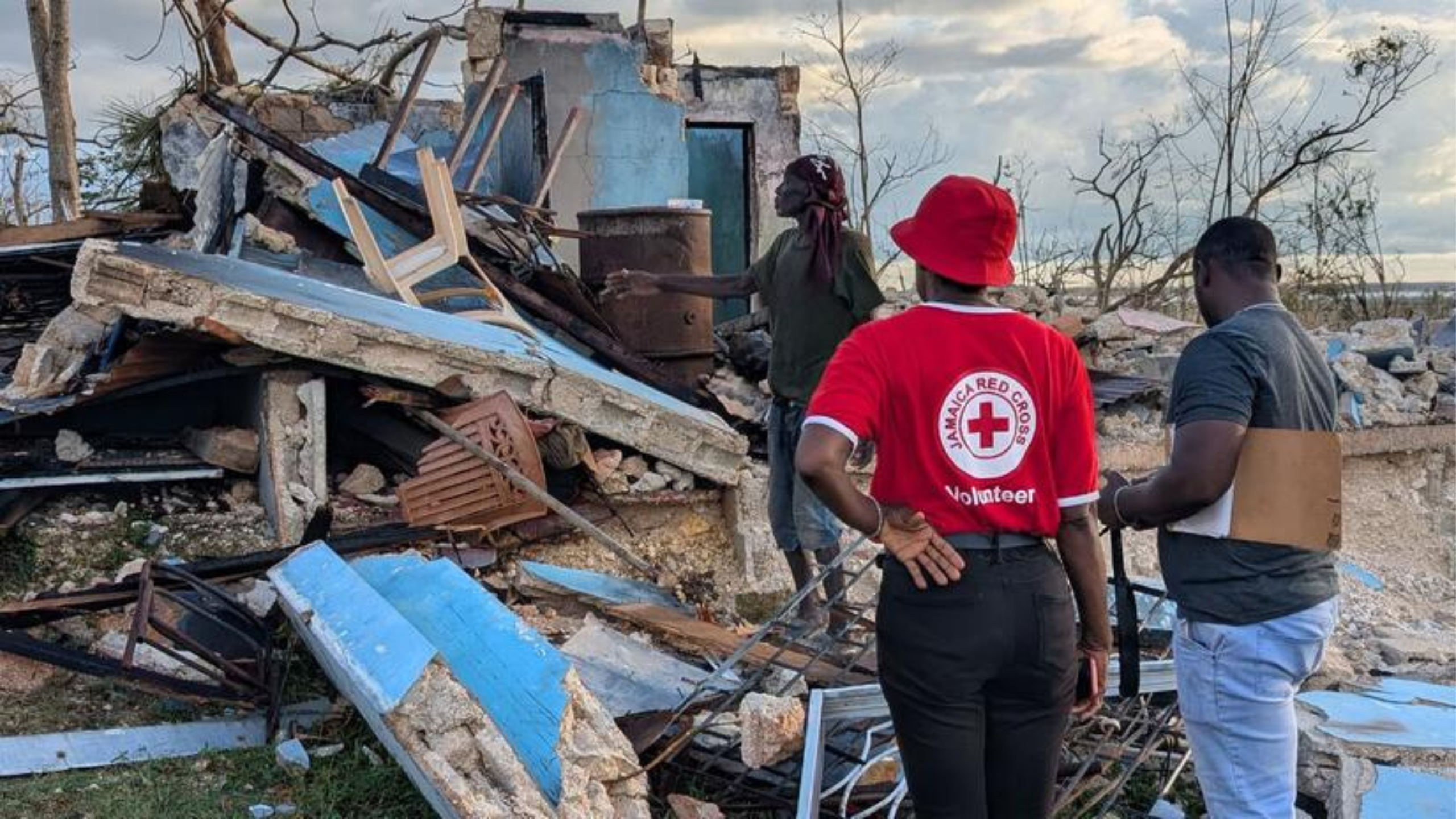

The Auditor General’s report has raised a serious question about Jamaica’s disaster relief system: why was so much hurricane donation money still sitting unused months after Hurricane Melissa?
According to the report, ODPEM received about J$1.44 billion in donations by February 23, 2026, to help Jamaicans affected by the storm. But by that date, only J$26.2 million had been spent.
That is just 1.8% of the total funds received.
In plain terms, more than 98% of the donated cash had not been used, even though many families and communities were still trying to recover.
That is the part that will concern many Jamaicans.
When people donate after a disaster, they expect the money to move quickly. They expect roofs to be repaired, families to receive support, communities to rebuild, and small businesses to get back on their feet. But the audit suggests that weak systems, slow spending, and poor documentation may have delayed the impact of the relief effort.
The report also flagged gaps in record-keeping. Auditors said J$34 million in roofing materials could not be properly verified because signed delivery slips and goods received notes were missing. Another J$141.1 million in committed spending did not have confirmed payment documents.
That does not automatically mean the money was stolen or misused. But it does mean the public cannot clearly see how all the resources were handled. And in disaster recovery, transparency matters.
The report also showed that ODPEM still had large unspent balances from previous hurricane relief efforts, including Hurricane Beryl. That raises a bigger concern: is Jamaica better at collecting disaster donations than it is at distributing them?
For everyday Jamaicans, this is not just a government issue. It is a money issue.
When relief funds sit unused, families may remain in damaged homes longer. Communities recover more slowly. Small businesses may struggle to reopen. Workers may lose income. And people who were already financially vulnerable can fall even further behind.
There is also a trust problem. If donors feel their money is not being used quickly, properly, or transparently, they may hesitate to give the next time Jamaica faces a crisis. That could hurt the very people who need help most.
The bigger money lesson is simple: money without execution does not solve problems.
Whether it is a government agency, a charity, a business, or a household, having money available is only the first step. The real value comes from planning, accountability, proper records, and timely action.
Jamaicans did not just need donations after Hurricane Melissa. They needed those donations to reach the people, homes, and communities they were meant to help.