

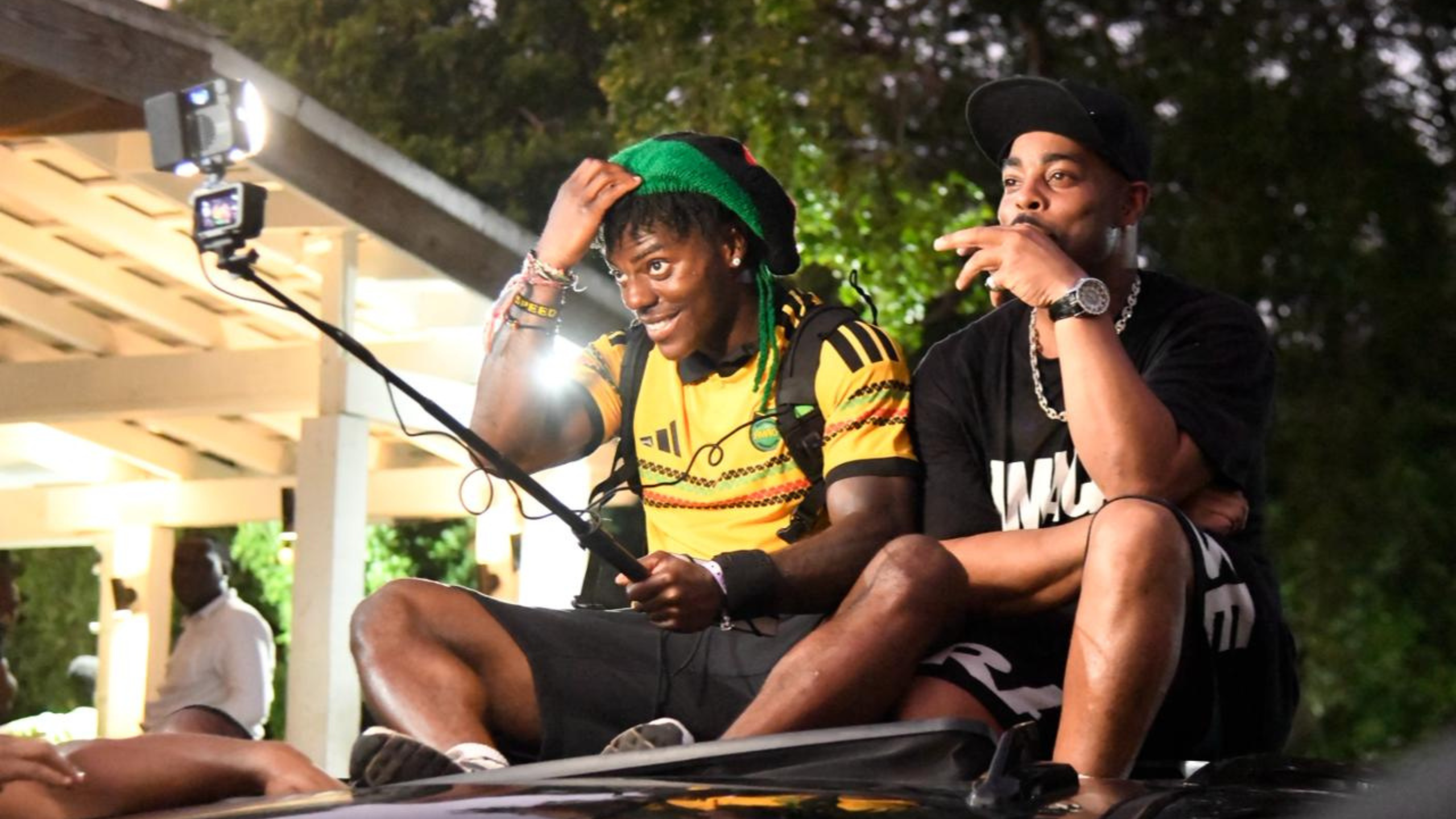

IShowSpeed’s visit to Jamaica has turned into a major tourism marketing moment for the island.
With nearly 54 million YouTube subscribers, the popular American content creator brought global attention to Jamaica by livestreaming parts of his visit across Kingston and other cultural locations. His stops included Payne Land, Port Royal, the National Stadium, the Bob Marley Museum, Devon House, KFC in New Kingston, and Tastee, while also interacting with Jamaican entertainers and residents.
The Jamaica Tourist Board welcomed him with VIP treatment at the airport, including live entertainment, Jamaican food, and cultural gifts. However, the JTB said it did not directly plan his full itinerary.
What makes this important is that Speed’s visit reached millions of people in real time. For younger audiences, especially Gen Z, this kind of exposure can be more powerful than a traditional tourism ad. Instead of seeing a polished commercial, viewers saw Jamaica live — the people, food, music, humour, street culture, and energy of the country.
For Jamaica, this is free global marketing.
The bigger shift is that tourism is changing. Many young travellers no longer rely only on brochures, TV ads, or travel agencies. They follow YouTubers, TikTokers, Twitch streamers, and Instagram creators. When those creators visit a country and make it look exciting, their followers may start seeing that destination as a place they want to experience too.
For everyday Jamaicans, the money impact could be meaningful if this online attention turns into more visitors.
More tourists can mean more demand for hotels, Airbnbs, restaurants, transportation, tour guides, attractions, entertainment, local food spots, and small businesses. If even a small percentage of Speed’s massive audience becomes interested in visiting Jamaica, that can create real economic activity.
It also shows the power of Jamaica’s culture as an economic asset. Music, food, sports, dancehall, street life, humour, and local personality are not just entertainment. They are part of what sells Jamaica to the world.
But there is also a lesson for local businesses: attention only creates money when businesses are ready to capture it. Hotels, restaurants, tour operators, transport providers, content creators, and local brands should be using this moment to market Jamaica-friendly experiences to younger travellers.
The money lesson is clear: visibility can turn into revenue. Speed’s visit shows that Jamaica does not only need expensive ads to attract attention. The island’s culture is already powerful. The opportunity now is turning that global attention into bookings, sales, jobs, and income for everyday Jamaicans.