

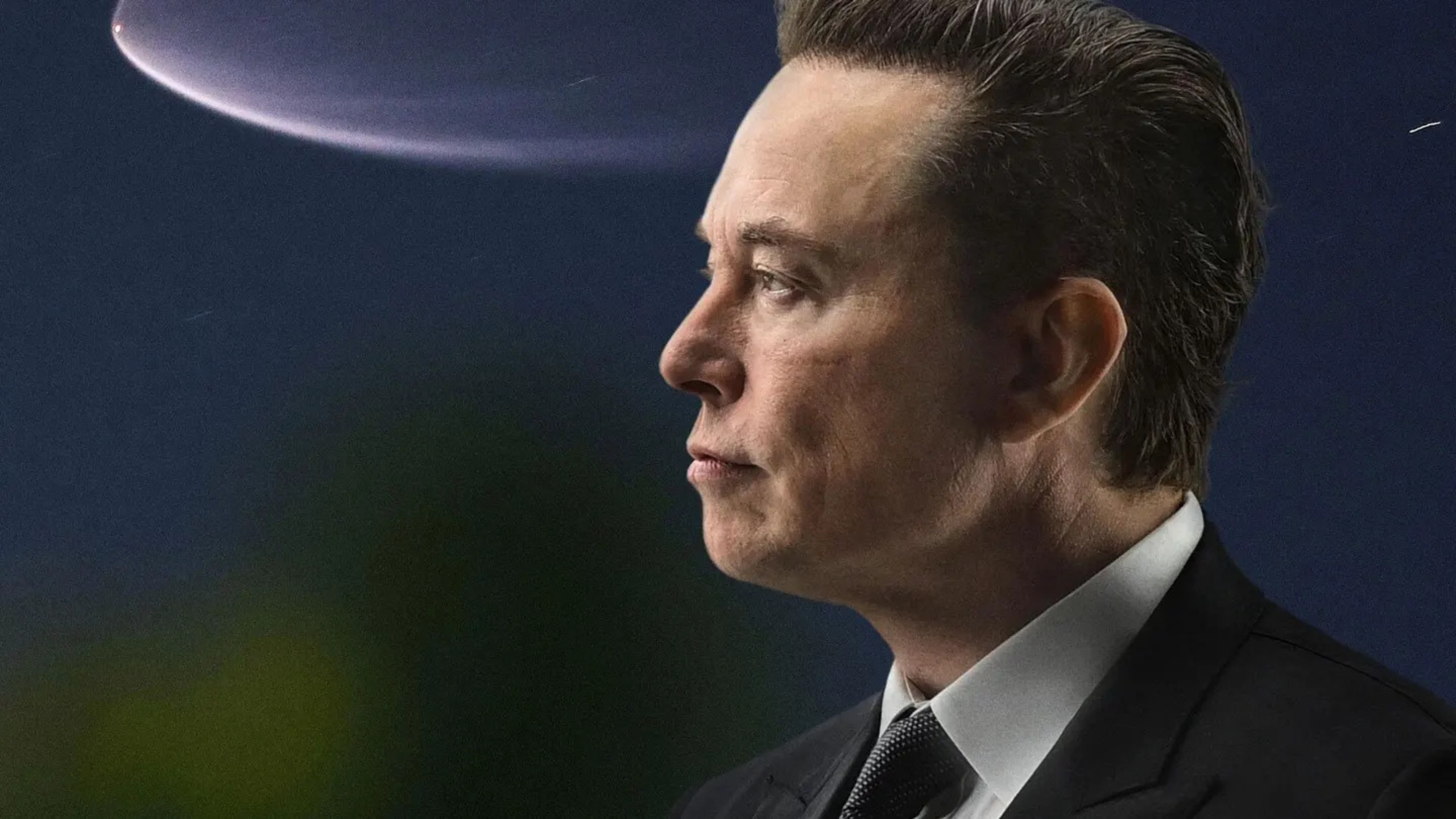

Elon Musk has officially become the world’s first trillionaire after SpaceX made its stock market debut on the Nasdaq. SpaceX shares started trading at US$150 and closed the first day at US$160.95, after briefly climbing as high as US$176. The IPO is one of the biggest in history and created major wealth not only for Musk, but also for many SpaceX employees who own shares in the company.
But here is the important part: Musk does not have US$1 trillion sitting in cash. Most of his wealth is tied to the value of his shares in companies like SpaceX and Tesla. That means his net worth can rise or fall quickly depending on stock prices. If SpaceX shares keep rising, his wealth grows. If the stock falls, his net worth can drop sharply.
For everyday people, this story shows how powerful ownership can be. Musk became extremely wealthy because he owns large stakes in companies that investors believe will grow in the future. The same principle applies on a smaller scale to regular investors: owning shares in strong businesses can help build wealth over time, especially when those businesses grow and increase in value.
The SpaceX IPO also made some employees very wealthy. This is a reminder that working for a high-growth company and receiving stock options or shares can sometimes create life-changing wealth. Salary matters, but ownership can be even more powerful.
However, everyday investors should be careful. A big IPO can attract hype, and many people may rush to buy because of Elon Musk’s name. But the first day of trading is not the same as long-term success. SpaceX still has to prove that its business can justify its massive valuation over time. Investors should look beyond the excitement and ask: Is the company profitable? Can it keep growing? Is the stock overpriced?
The bigger money lesson is simple: wealth is built through ownership, not just income. Musk’s trillionaire status shows how owning valuable assets can create massive wealth. For regular people, that means owning stocks, real estate, businesses, retirement investments, or other productive assets can be the difference between just working for money and building long-term financial freedom.